 C A N U C K
Canuck emerged during Saskatchewan's homesteading boom following the province's creation in 1905, when federal immigration policies aggressively promoted settlement on the prairies to support agricultural expansion. The community took form in the early 1920s near Climax in the southwest, initially anchored by a post office and early farming homesteads that drew settlers to the dry prairie lands suitable for wheat production.
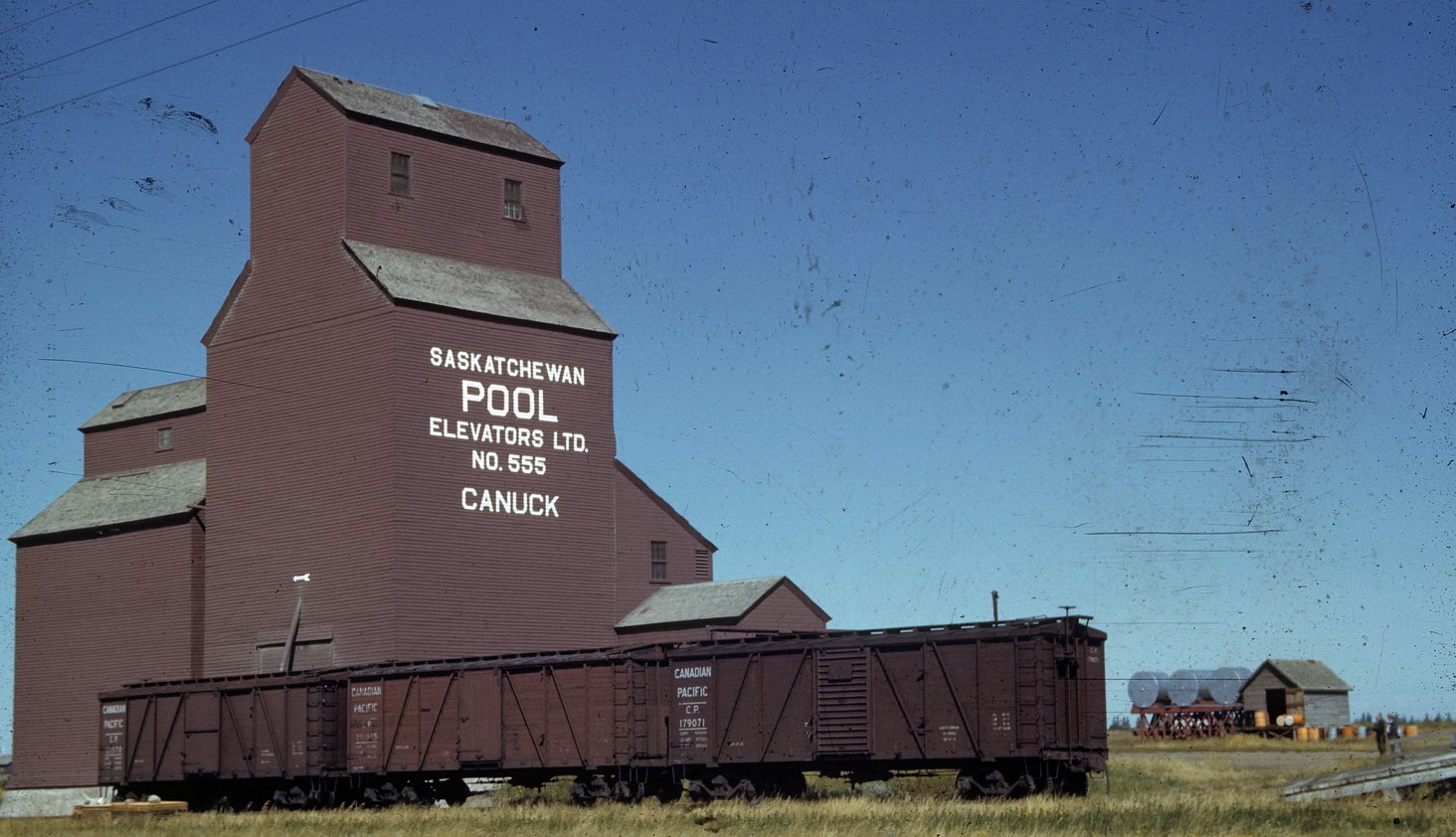
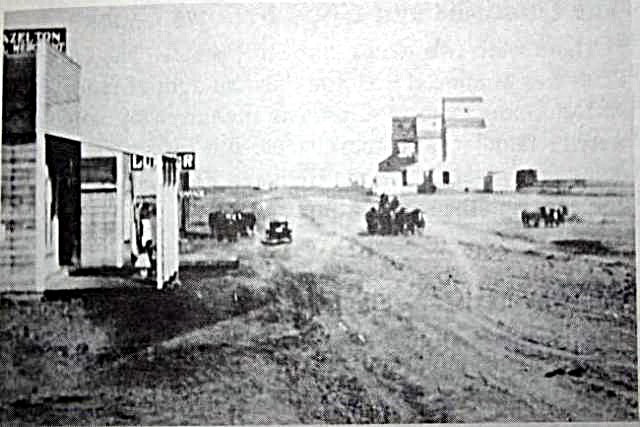
The arrival of the railway in 1924 catalyzed formal establishment, transforming Canuck into a vital local hub for grain transport and trade. Grain elevators were constructed to handle regional wheat harvests, with the first built in 1922 (29,000 bushels capacity), a second in 1924 (30,000 bushels) plus a 29,000-bushel annex, and two more added later in the decade. This infrastructure solidified Canuck's economic foundation in agriculture, enabling efficient storage and shipping for surrounding farms amid the province's post-World War I farming surge.
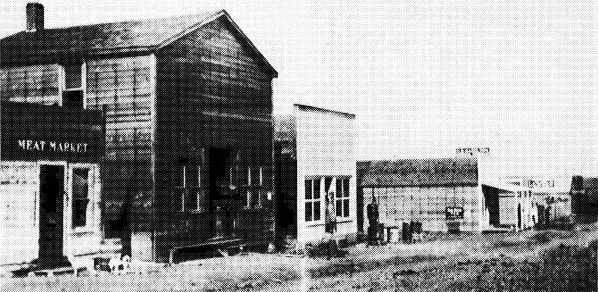
Along the main street, small businesses and storefronts quickly appeared, including a meat market and a hotel accommodating 30–40 travelers per night with meals and lodging, supporting railway passengers and local commerce. A mission church was erected in 1924, with Father Duchaine arriving as the resident priest two years prior, while a modest schoolhouse was built to educate children from nearby families.
By the mid-1920s, Canuck thrived as a bustling prairie village, its growth tied to railway connectivity and wheat prosperity; community life flourished through social groups like the Canuck Dramatic Society, which staged plays to fund local facilities, alongside regular events such as dances, baseball games, and concerts that reinforced its role as a regional anchor.
The decline of Canuck, Saskatchewan, began in the late 1920s and intensified during the 1930s, driven by the economic fallout from the Great Depression, plummeting grain prices, and severe droughts associated with the Prairie Dry Belt Disaster, which ravaged southwestern Saskatchewan's farming communities. These conditions made agriculture unprofitable, prompting many residents to abandon their farms amid widespread rural hardship across the prairies.
Key infrastructure losses marked the village's fading viability, including the closure of the local hotel in the early 1930s, which had once served 30-40 travelers nightly but was relocated to Val Marie due to lack of business. Businesses along the main street shuttered progressively as the population dwindled, and the grain elevators—central to Canuck's economy since the 1920s—were shut down in the 1960s and 1970s before being demolished. The schoolhouse followed suit, closing in 1954 and later demolished, leaving no educational facilities for remaining families.
The abandonment unfolded gradually over decades, with a steady exodus of residents from the 1930s onward as farming families sought better opportunities elsewhere; by the mid-20th century, Canuck had lost most of its population, reaching complete depopulation by the late 20th century. This timeline reflected the village's growth in the 1920s, after which numbers fell sharply. Post office closed on November 15, 1968.
 EBS
EBS
1942
 *
*
1925
 *
*
1925