 B E R GE N
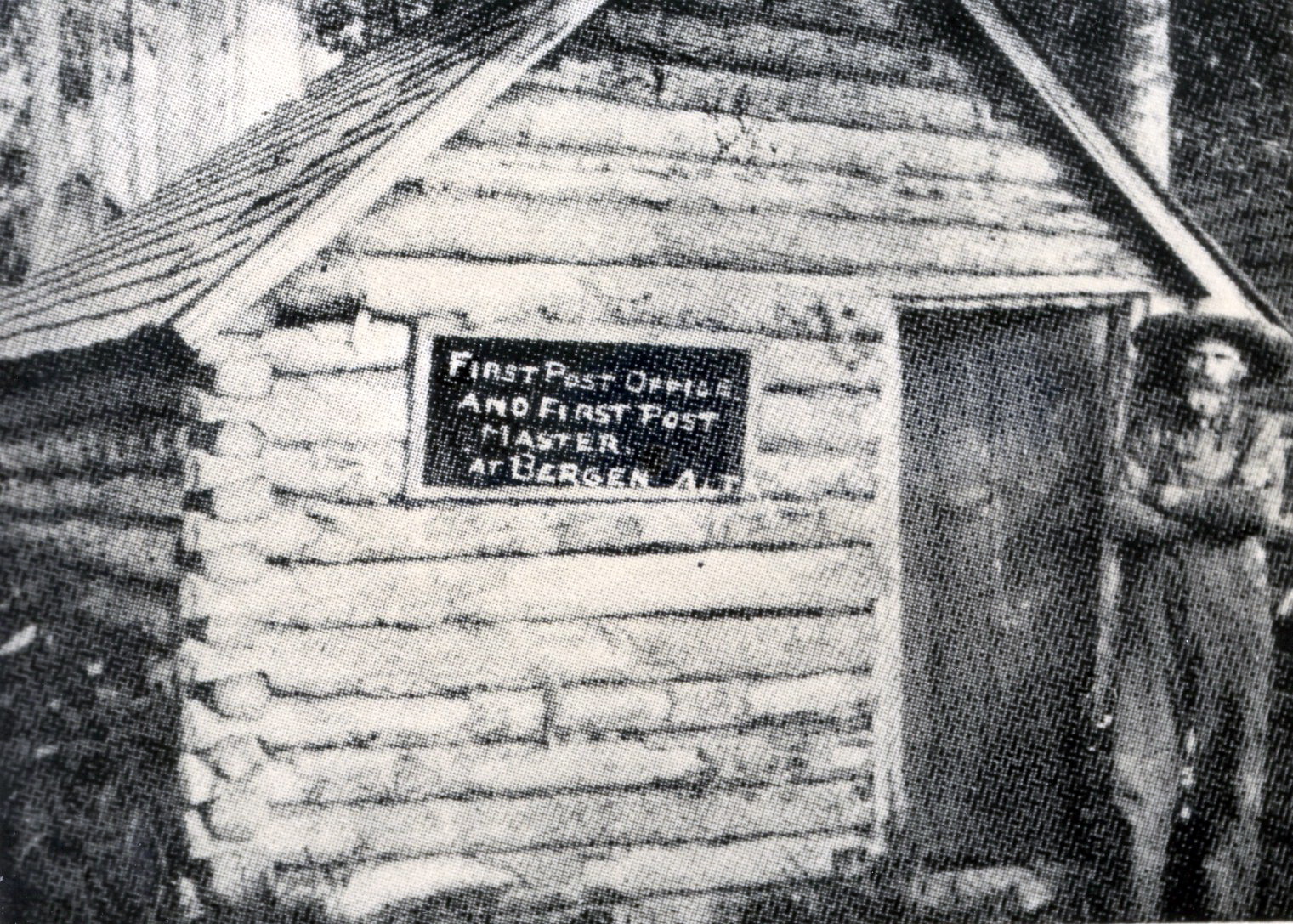
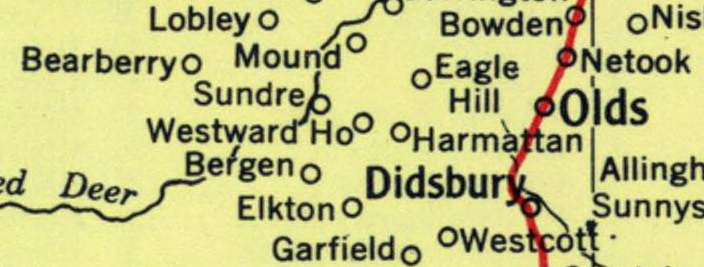
The area that would become Bergen, Alberta, attracted European immigrants, particularly Norwegians, in the late 19th and early 20th centuries as part of broader homesteading efforts across the Canadian prairies, drawn by promises of fertile land and opportunities for agricultural settlement under the Dominion Lands Act. Norwegian settlers began arriving in central Alberta following the extension of railway lines in the 1890s, with chain migration from established communities in Minnesota and direct immigration from Norway contributing to population growth in areas such as the Eagle Hill district south of Olds. After 1905, a separate group settled the Bergen district near Sundre. Bergen was formally established as a Norwegian settlement in 1907 by J.T. Johannesen and a group of his countrymen, who chose a valley beside Fallentimber Creek that evoked memories of their homeland's landscapes. First homesteaders had arrived around 1905. The community was named after the city of Bergen in Norway, reflecting the strong Scandinavian heritage of its founders and the influx of immigrants from regions like Rogaland and around the Norwegian city itself. Early arrivals constructed log houses from local timber on their homesteads. A one-room schoolhouse, the Bergen School, opened in 1908 and served the community until its closure in 1960. A post office opened on November 1, 1907 with Johannesen serving as the first postmaster, marking a key step in organizing the nascent community and facilitating communication for the growing number of homesteaders. The Post Office closed on February 19, 1970.