B I C K E R D I K E
The community was established around 1911 and was named after Robert Bickerdike, a prominent Montreal businessman, social reformer, and Member of Parliament (MP).
Bickerdike's historical significance is tied directly to the Alberta Coal Branch. Between 1911 and 1912, the Grand Trunk Pacific Railway constructed a 57-mile (90 km) branch rail line heading south from the main line to tap into rich deposits of high-quality steam coal in the Rocky Mountain foothills. This railway line officially diverged from the main line at Bickerdike, making the community the literal gateway to the Coal Branch.
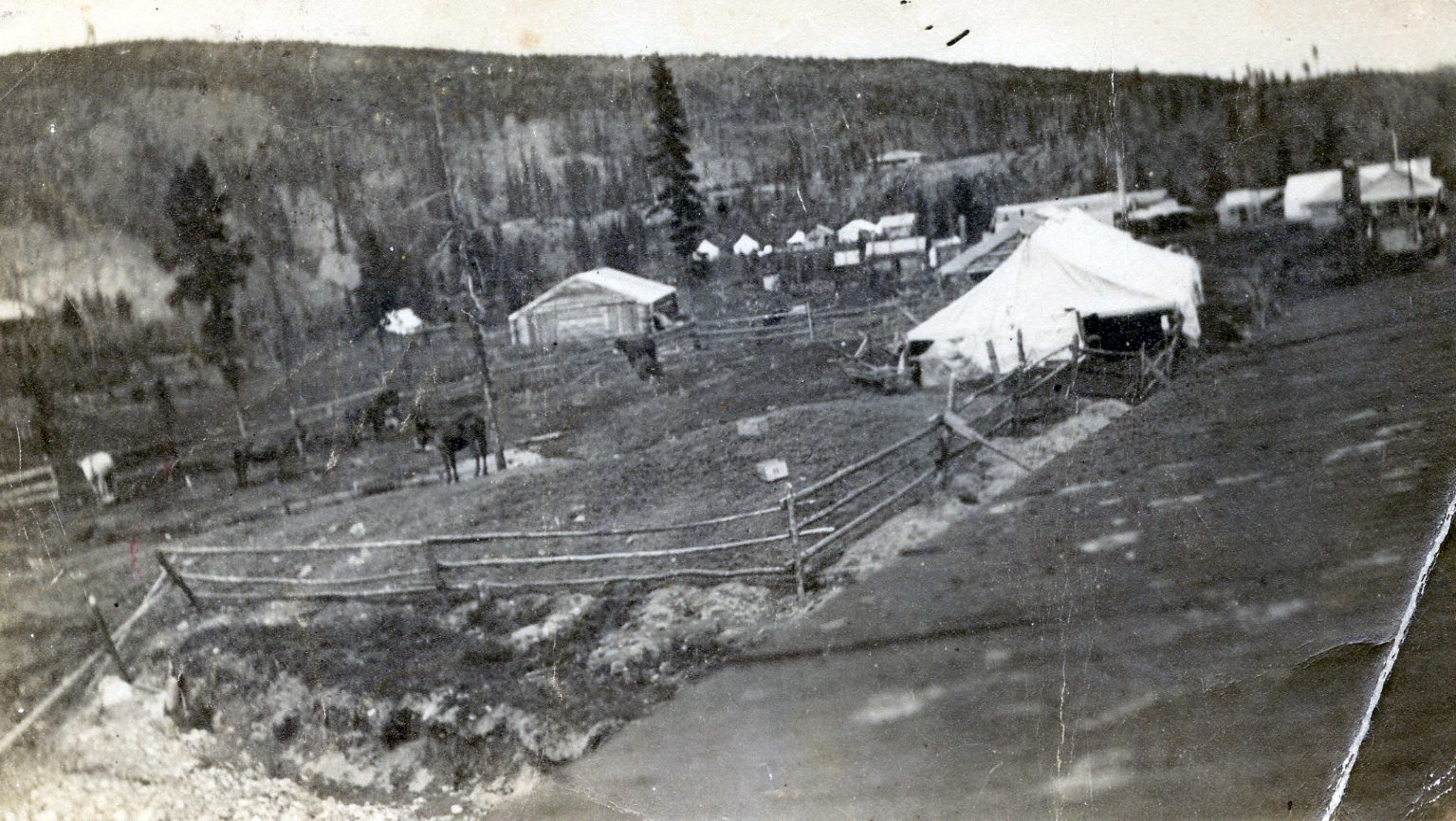
A local post office opened on July 1, 1911, serving the influx of railway workers, prospectors, and early settlers. At its peak around 1911–1913, the settlement recorded a population of roughly 150 people and featured essential services typical of a frontier rail junction.
Like many communities along the Coal Branch, Bickerdike's fortunes rose and fell with the coal industry. Following World War II, railways transitioned rapidly from steam locomotives to diesel power, causing the demand for steam coal to plummet. As the mines in the region closed down throughout the 1950s, the economic rationale for the town disappeared.
 *
*
1913