 B L O O M S B U R Y
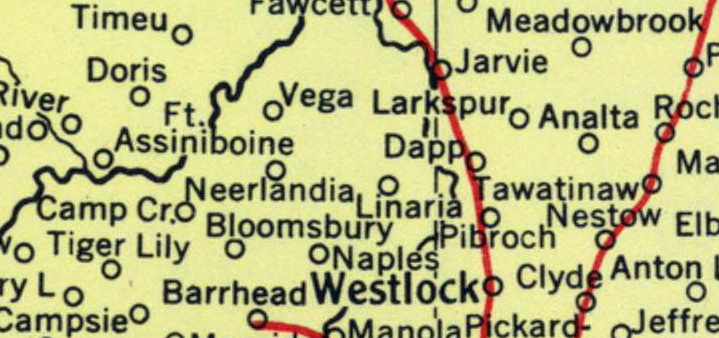
The early settlement of Bloomsbury, Alberta, occurred amid the widespread homestead boom on the Canadian prairies in the early 20th century, driven by the Dominion Lands Act of 1872, which offered 160-acre plots of arable land to settlers for a nominal fee upon proof of cultivation. This policy spurred migration to northern Alberta's Peace River Country and surrounding areas, including the region near Barrhead, where fertile soils and access to transportation routes attracted prospective farmers from 1905 onward. The first European homesteaders arrived in the Bloomsbury area around 1910, drawn by the promise of land under the Dominion Lands Act and the growing settlement hub of nearby Barrhead, established in 1906 along the historic Klondike Trail. Many came from Ontario and Europe, including German-speaking immigrants who established religious institutions like the Pentecostal church, seeking economic opportunities in mixed farming on the prairies' black soil. For instance, English immigrants William and Gertrude Kilshaw, who had initially settled in Ontario in 1907, traveled by train to Edmonton and then by wagon along the Klondike Trail to homestead in Bloomsbury in 1910, establishing one of the area's early family farms. The construction of the Edmonton, Dunvegan and British Columbia Railway, which began in 1912 from Edmonton northward, significantly aided the influx of settlers by improving access to remote homesteads in the Barrhead district, including Bloomsbury. Initial farms focused on grain and livestock production, laying the foundation for the community's agricultural character. By 1921, the establishment of a post office marked a key milestone in community organization, with Elmer Lucas serving as the first postmaster until 1935.