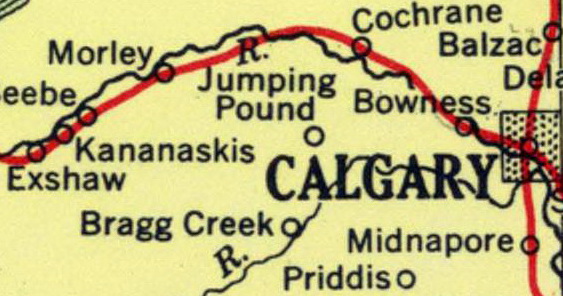
 B R A G G C R E E K
In 1894, brothers Albert Warren Bragg and John Thomas Bragg traveled west from Nova Scotia and homesteaded in the area (on land that would later become the Saddle & Sirloin Ranch). They built a cabin near a small local stream. Though Albert eventually moved away to other parts of Alberta with only a passing interest in his time there, the stream—and eventually the surrounding district—became known as Bragg Creek.
Following the Braggs, other pioneering families like the Fullertons, Robinsons, and Connopps arrived. Ranching became the primary economic engine. The Post Office opened May 11, 1911. The first postmaster was W.J. Graham, who held the position until 1918.
By the 1920s, commercial development shifted toward the confluence of Bragg Creek and the Elbow River. Local builder Jake Fullerton constructed homes and stores, including the iconic Bragg Creek Trading Post on White Avenue, which served as a vital trading point with local First Nations. The early 20th century also brought oil and natural gas prospecting. Wells were drilled near the current provincial park as early as 1913, though many early operations were paused due to World War I.
Bragg Creek holds a unique place in international travel history as the birthplace of the first youth hostel in North America. On July 1, 1933, sisters Mary and Catherine Barclay—inspired by hiking hostels they experienced in Europe—pitched a large canvas tent on Ida May White's property in Bragg Creek. Charged a modest fee, young hikers had a safe haven, sparking the Canadian Youth Hostels Association network. A permanent cabin was later built on Tom Fullerton’s nearby ranch.
From the 1920s onward, city dwellers from Calgary increasingly viewed Bragg Creek as an ideal weekend and retirement retreat, building hunting lodges, cabins, and recreational camps.
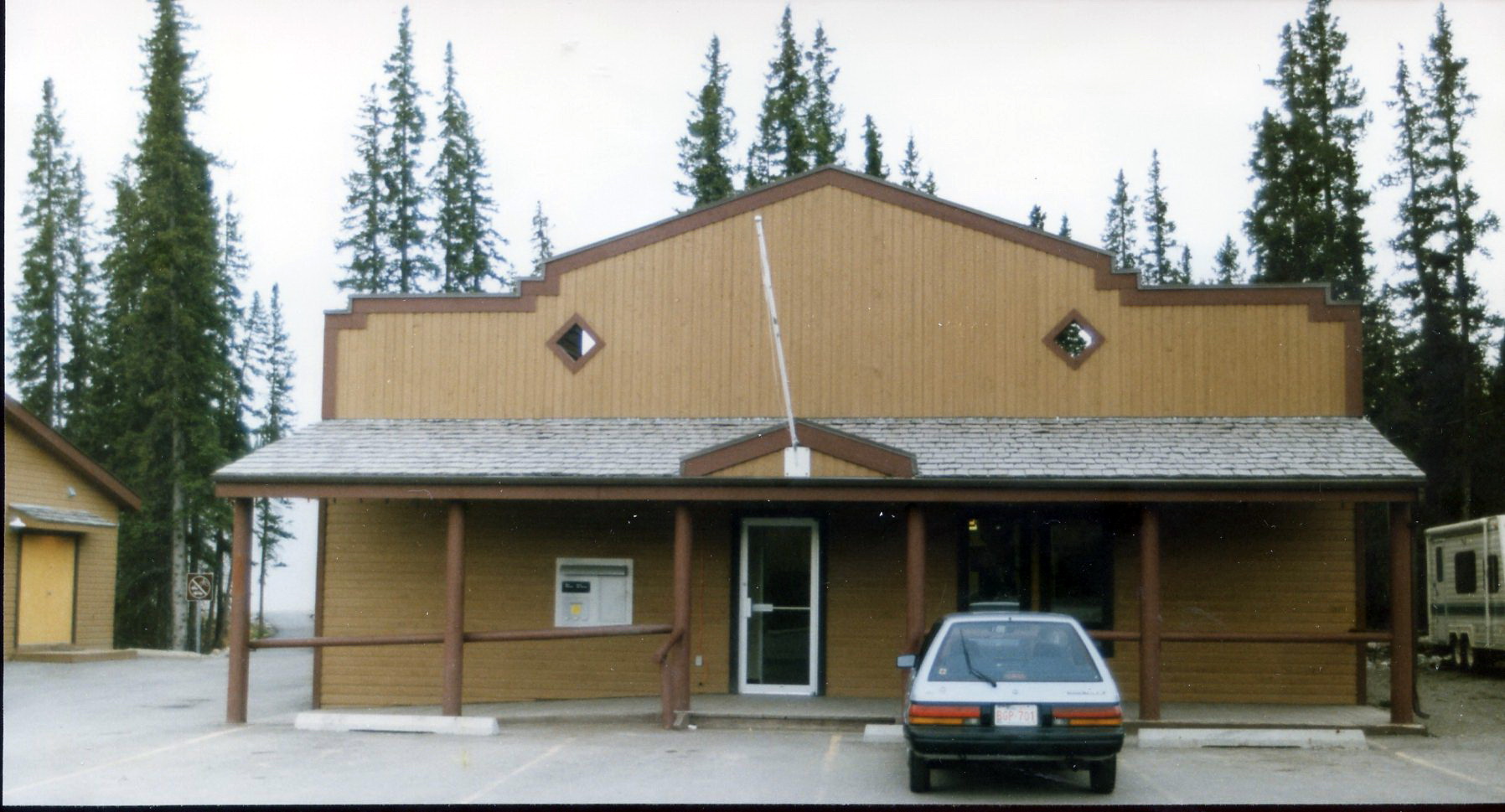
early 1990s