In the late 19th century, following the arrival of the Canadian Pacific Railway (CPR), homesteaders and farmers began trickling into the area. Early agricultural pioneers—such as Mr. and Mrs. Patrick Sullivan, who arrived in 1882—found that while the soil was fertile, reliable water sources were necessary to make farming truly productive in the semi-arid climate.
To support farming, the CPR and subsequent irrigation managers looked at a shallow, intermittent natural slough or wetland in the area. They transformed it into a storage basin to hold water diverted from the Bow River. A formal system of dams, canals, and control works was completed in 1907, officially turning the natural wetland into Reservoir No. 1 (commonly known as Chestermere Lake or the Chestermere Reservoir). Its primary engineering purpose was to act as a balancing pool for the Western Irrigation Block, regulating water supply for regional agriculture.
Once the reservoir was established, people began using it for recreation. Beginning around the 1940s, individuals began leasing plots of land along the shoreline from the Western Irrigation District (WID) to build summer cabins. The Chestermere Cabin Owners Association (CCOA) was Formed in 1959 with roughly 50 members. The CCOA organized community services, brought in a fire truck, planted trees, and helped arrange electricity and natural gas for the cabins. In the mid-1970s, the CCOA successfully negotiated to buy the land from the WID and transfer ownership to the residents, clearing the path for permanent year-round housing.
 GC
GC
 GC
GC
Canadian Northern Station. Built in 1913
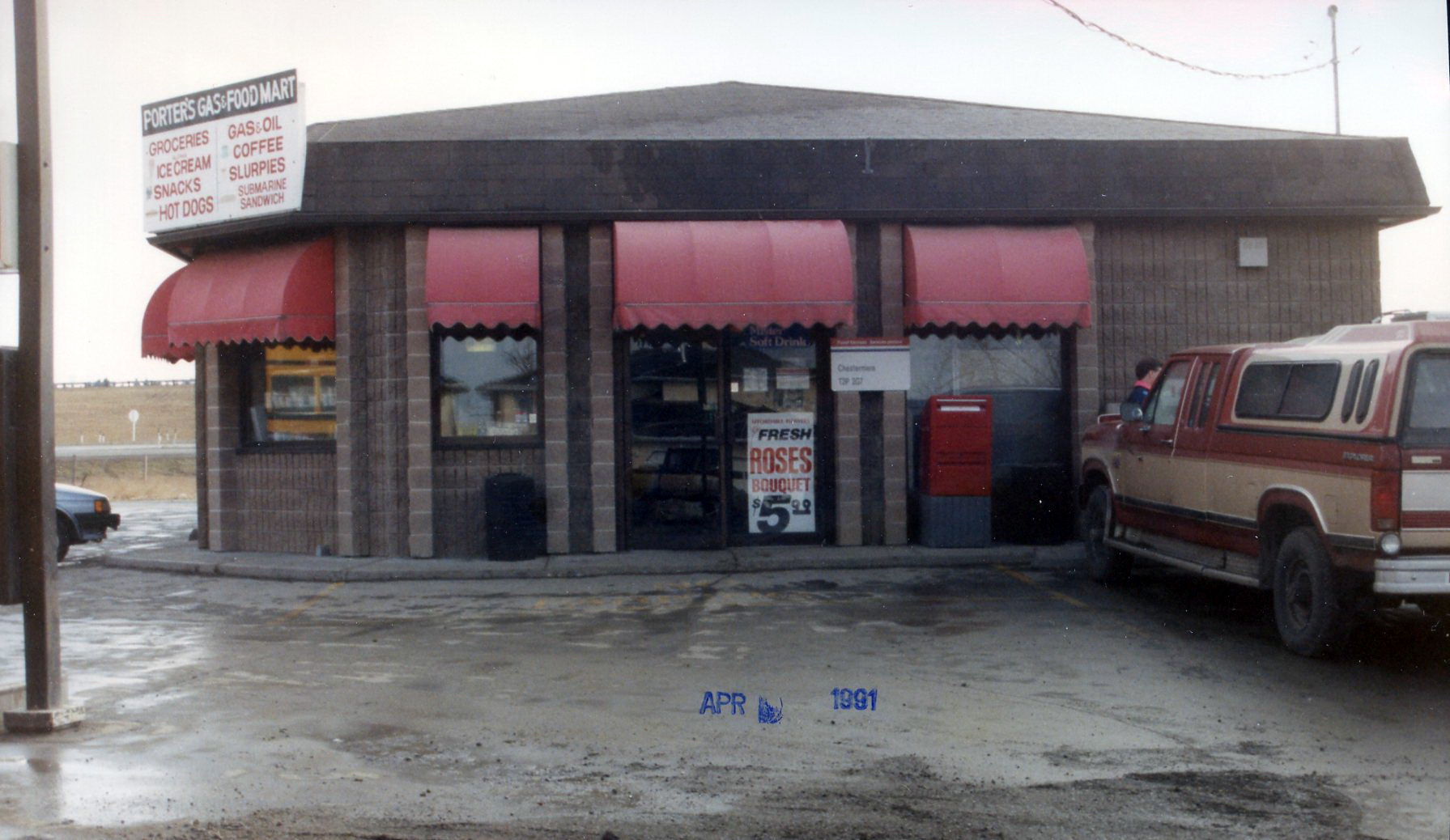
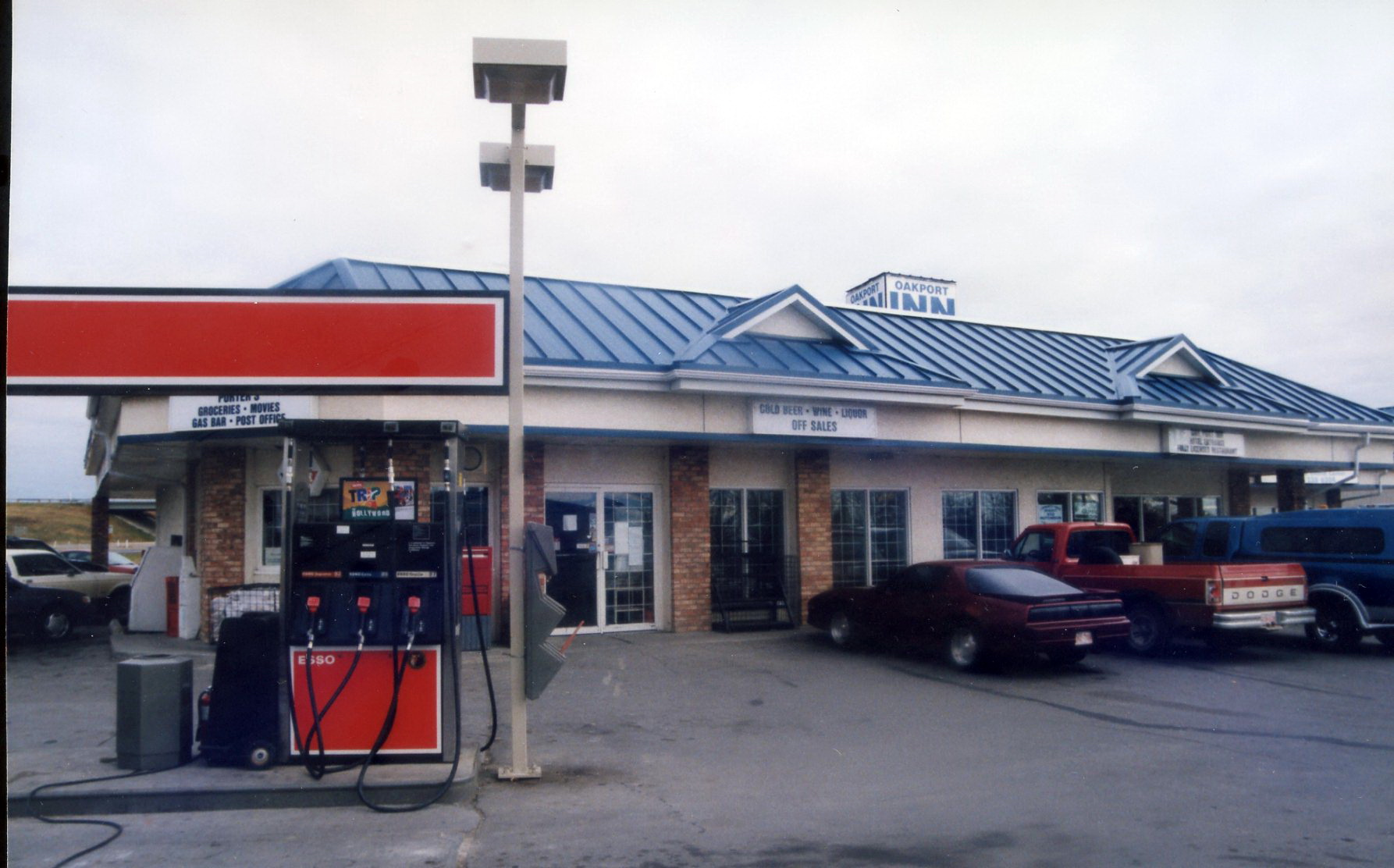
early 1990s