 C H I S H O L M M I L L S
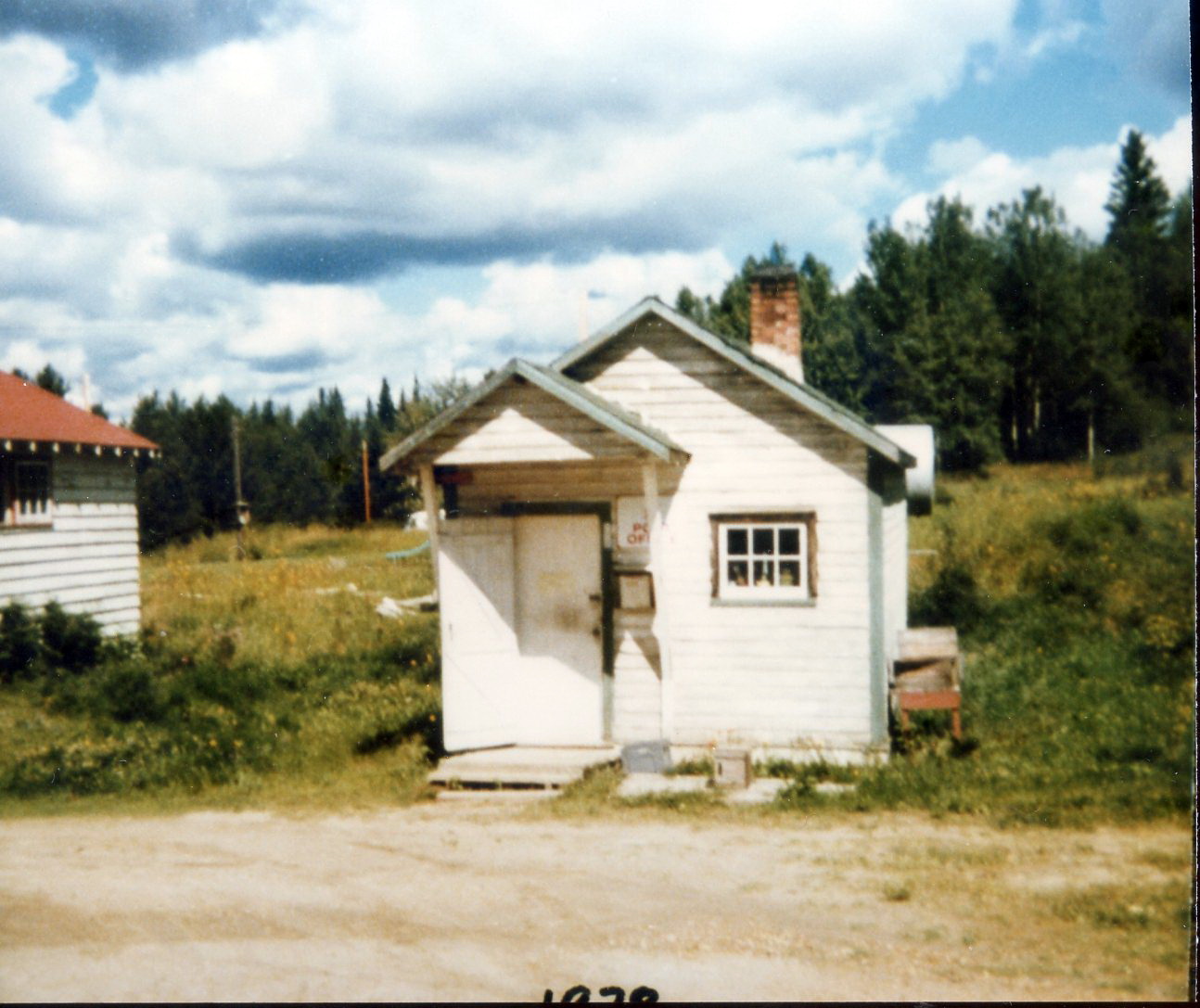
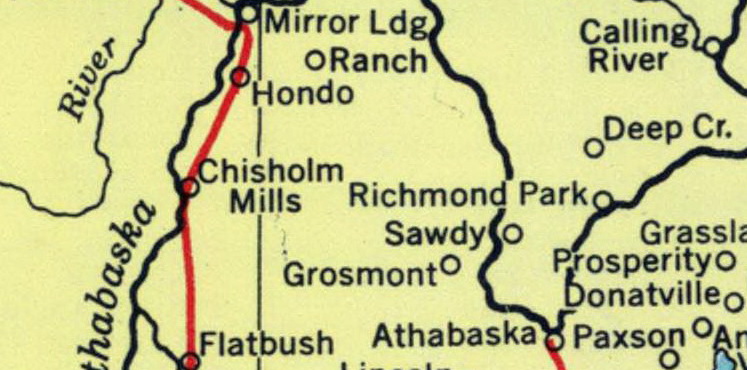
The community derives its name from Thomas Chisholm, an early settler and pioneer who was among the first to establish roots in the area. By the early decades of the 20th century, the arrival of the railway (later part of the Canadian National Railway system) provided the vital infrastructure needed to haul heavy timber and freight out of the remote northern boreal forests to southern markets. Chisholm Mills quickly developed as a designated post office and station stop. The Post Office opened on July 1, 1923.
During the 1930s and 1940s, Chisholm Sawmills was a major economic driver in the region. The company operated multiple logging camps throughout the surrounding watersheds—including areas stretching toward the Freeman River and Fawcett Lake. During World War II, the area hosted unique labor camps due to wartime labor shortages. Notably, Camp Chisholm and nearby camps utilized alternative labor pools. Historical records indicate that groups including Japanese-Canadian evacuees (who worked in various Alberta lumber camps starting around 1943–1944) and, in some regional camps like Fawcett Lake, German Prisoners of War who volunteered to work forestry jobs, helped sustain production.
As forestry practices modernized in the mid-20th century, reliance on small, localized mill towns shifted toward centralized processing plants. Over the decades, as the original mills scaled down or closed, Chisholm Mills transitioned from a bustling industrial hamlet to a quiet rural community.