 F O I S Y
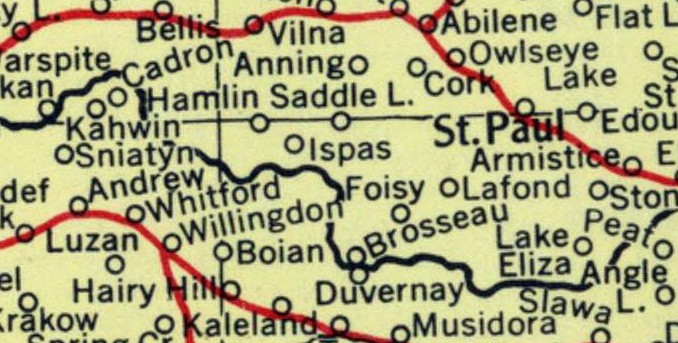
Permanent European homesteading in the Foisy area commenced around 1905–1906, spurred by the Dominion Lands Act of 1872, which granted 160-acre quarter-sections to eligible settlers willing to cultivate and reside on the land for three years, and the construction of the Canadian Northern Railway line, which reached nearby St. Paul in 1920 and improved access to the prairies. Among the pioneers were French-Canadian families from eastern provinces, including the Foisys, whose surname traces to Norman origins in France and who established roots in the community, leading to its naming in their honor. These early arrivals, such as those in the adjacent Lafond district, built sod-roofed structures and broke prairie sod with rudimentary tools, laying the foundation for agricultural development. A post office opened in nearby Lafond in 1907 to serve the growing settler population.
The 20th-century development of Foisy, an unincorporated community in northern Alberta's County of St. Paul No. 19, was marked by the establishment of key institutions that supported communal life and agricultural expansion. The Foisy post office opened on September 15, 1919, serving as a vital communication hub for local homesteaders and farmers; it was named after its first postmaster, Aladin Foisy, who held the position until 1941. This facility facilitated mail delivery in an era when rural roads were rudimentary, contributing to the area's connectivity with larger centers like St. Paul.
Educational infrastructure grew to meet the needs of the expanding population. Local one-room schools, such as Doucett School (opened in 1913) and Chesterville School (1915), provided basic instruction to children of French-Canadian and Métis settlers in the surrounding districts. Later, Many Lakes School opened in 1929, followed by Foisy School in 1941.
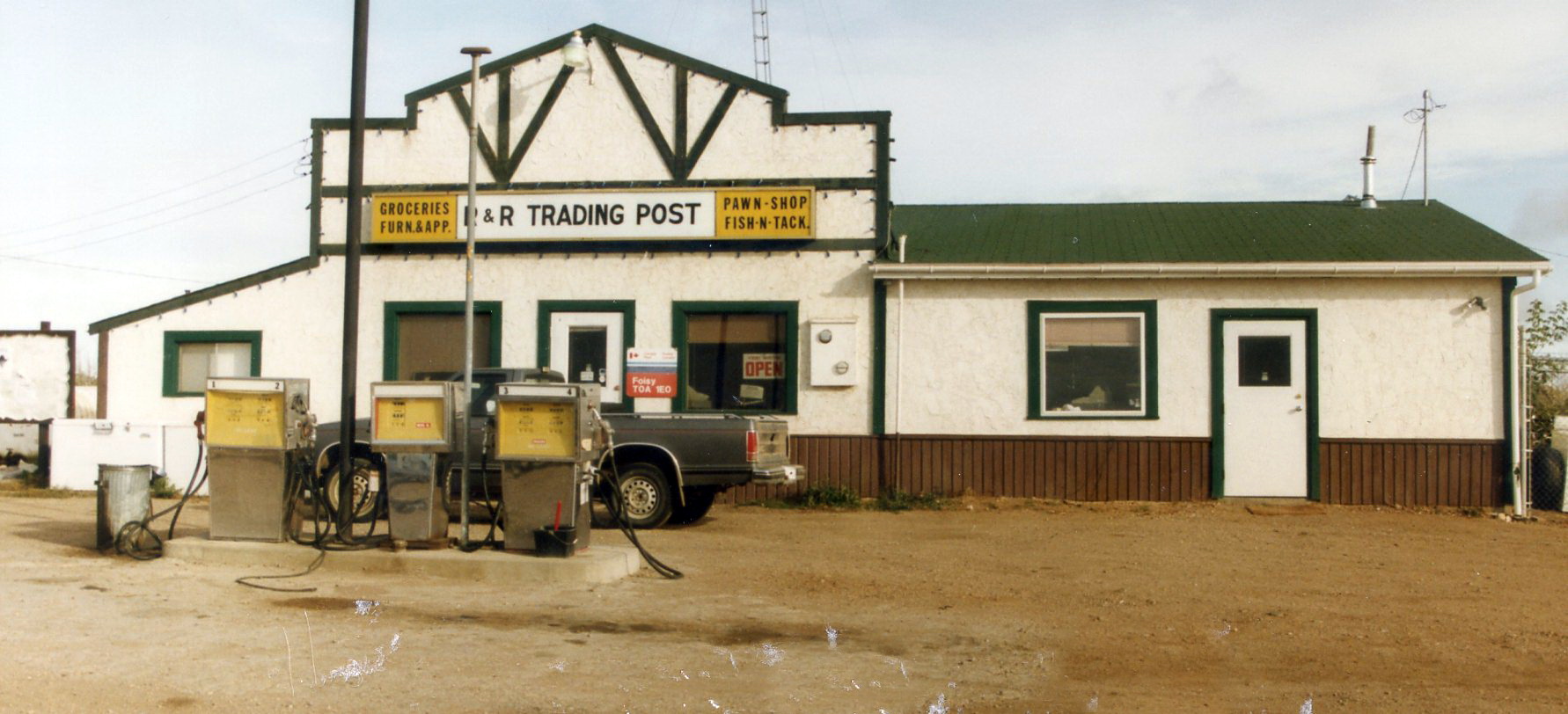
early 1990s