 G I L P I N
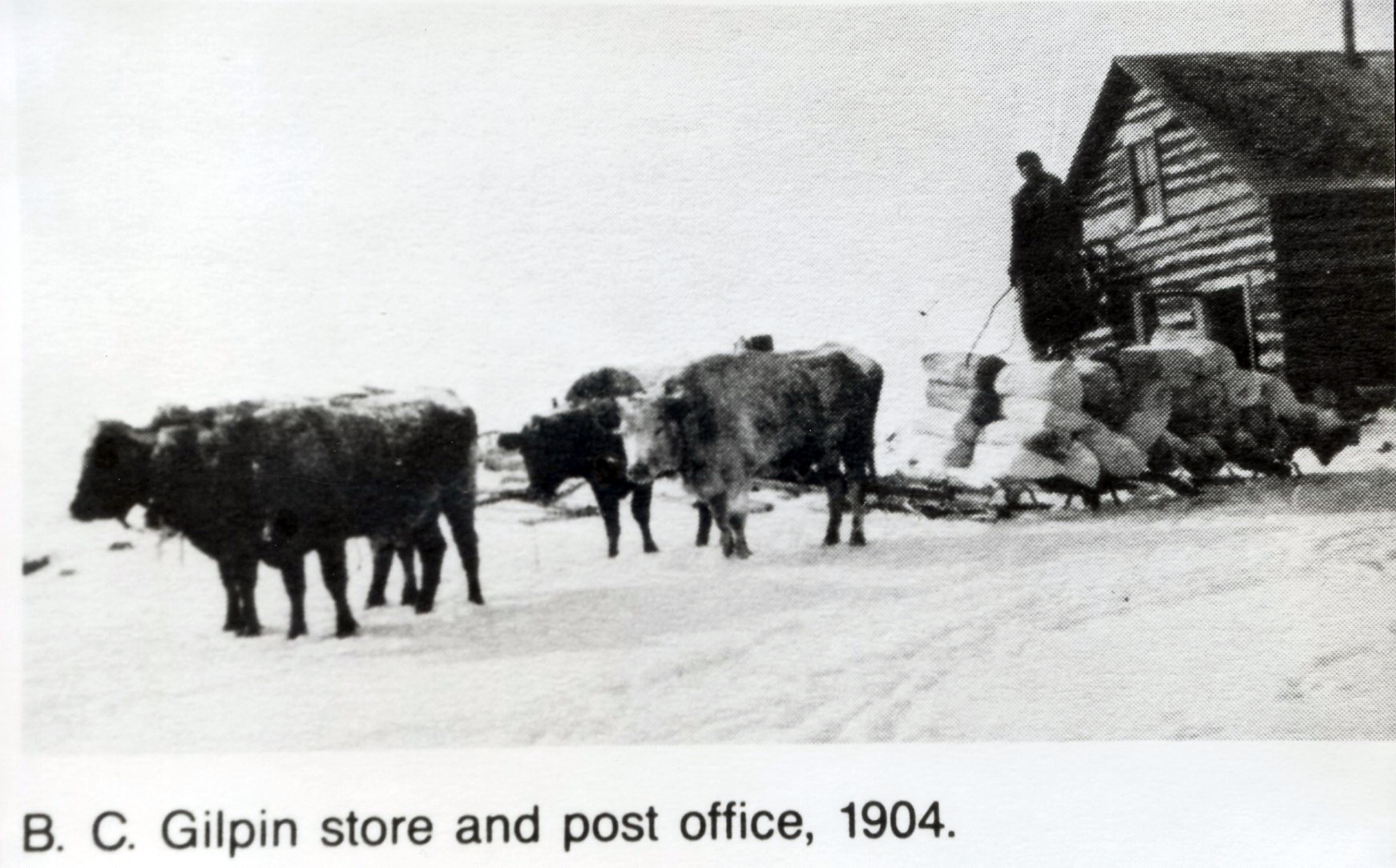
Settlers began arriving in the area around 1904, drawn by available Dominion homestead land in what was then part of the Northwest Territories (prior to Alberta becoming a province in 1905). The locality took its name from the Gilpin family—specifically early homesteader Benjamin Courtney Gilpin (originally from Howick Township, Huron County, Ontario), who settled in the district with his wife Mary Ann (Mutch) around 1904. Other members of the extended family, including Richard Verner Gilpin, also farmed in the surrounding Viking–Vegreville corridor.
To serve the growing patchwork of homesteaders located several miles from established towns, a rural post office named Gilpin opened on July 1, 1904, with B. C. Gilpin as he forst and only postmaster. Like most rural prairie post offices of the era, it operated out of a settler's farmhouse to handle mail delivery and basic community correspondence.
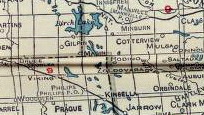
In the late 1900s, two major rail lines solidified the region's urban geography: the Canadian Northern Railway (passing through Innisfree to the north) and the Grand Trunk Pacific Railway (passing through Viking to the south, arriving in 1909). Because Gilpin sat in the rural space between these two corridors without a rail siding or grain elevator of its own, commercial activity concentrated in Viking and Innisfree.