 G L E N E V I S
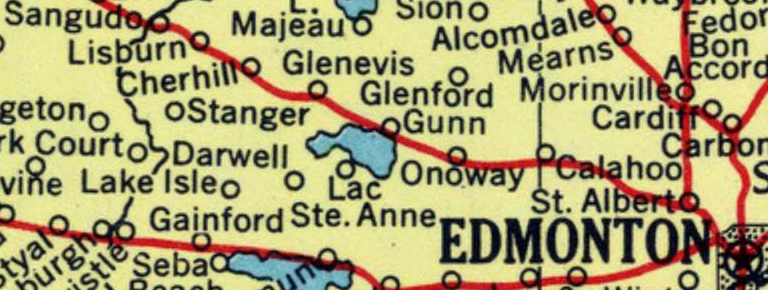
The district of Glenevis, located in what is now Lac Ste. Anne County, Alberta, saw initial European settlement in 1913 amid the province's homesteading expansion following railway development and federal land policies. The Pegg family, originally from Ontario, relocated from the Red Deer area to an abandoned quarter-section near Glenevis in March 1913 after experiencing crop failure, with Fred Pegg Sr. securing the land through local landowner David Duff. This homestead marked one of the earliest documented farm establishments in the area, focused on mixed agriculture adapted to the central Alberta parkland.
Early development centered on self-sufficient farming, with Fred Pegg Sr. pioneering alfalfa cultivation as the first in the district, reflecting horticultural experimentation to improve soil and livestock forage in the region's variable climate.
The name Glenevis was formally adopted in 1913, suggested by early homesteader John McLeod after his wife's hometown of Glennevis on Cape Breton Island, Nova Scotia (with the second "n" omitted).
By the late 1920s, infrastructure improvements included the construction of a family house in 1929 and planting of spruce windbreaks, aiding farm resilience against winds.
Subsequent generations, such as George Pegg, sustained agricultural operations while advancing local knowledge through botanical observations and a private weather station established in 1945.
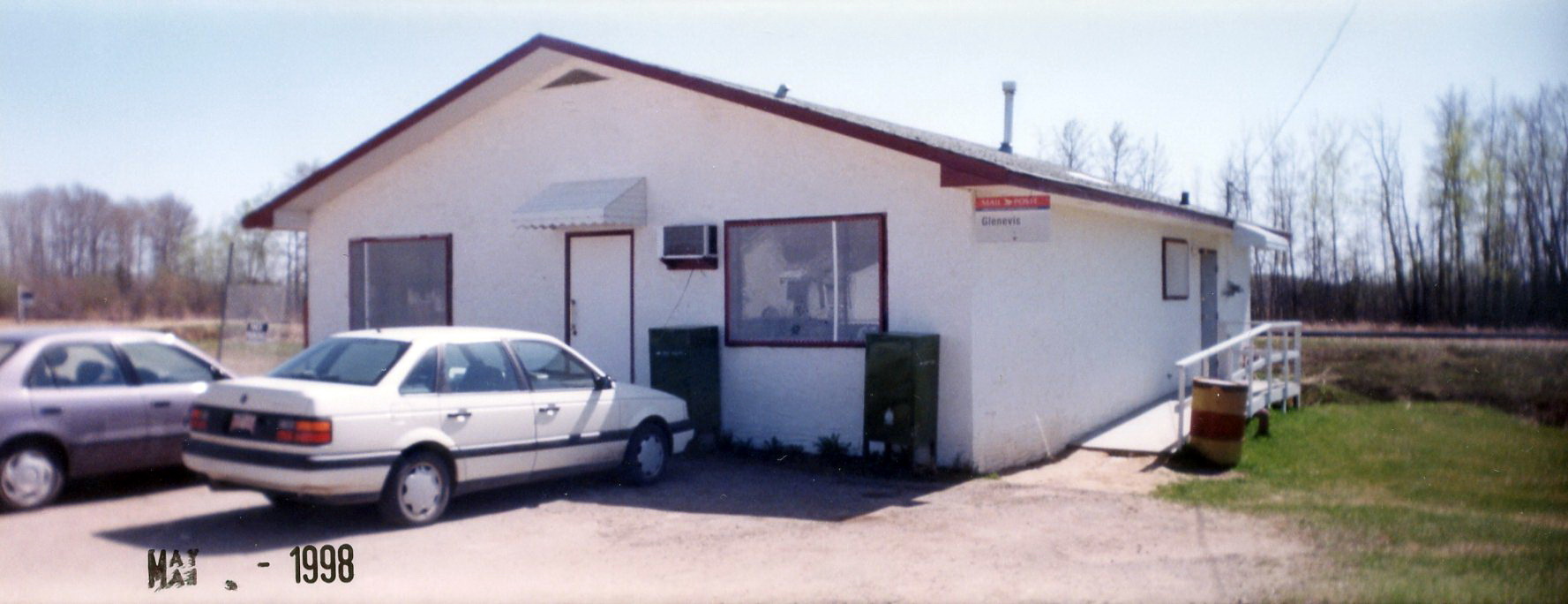
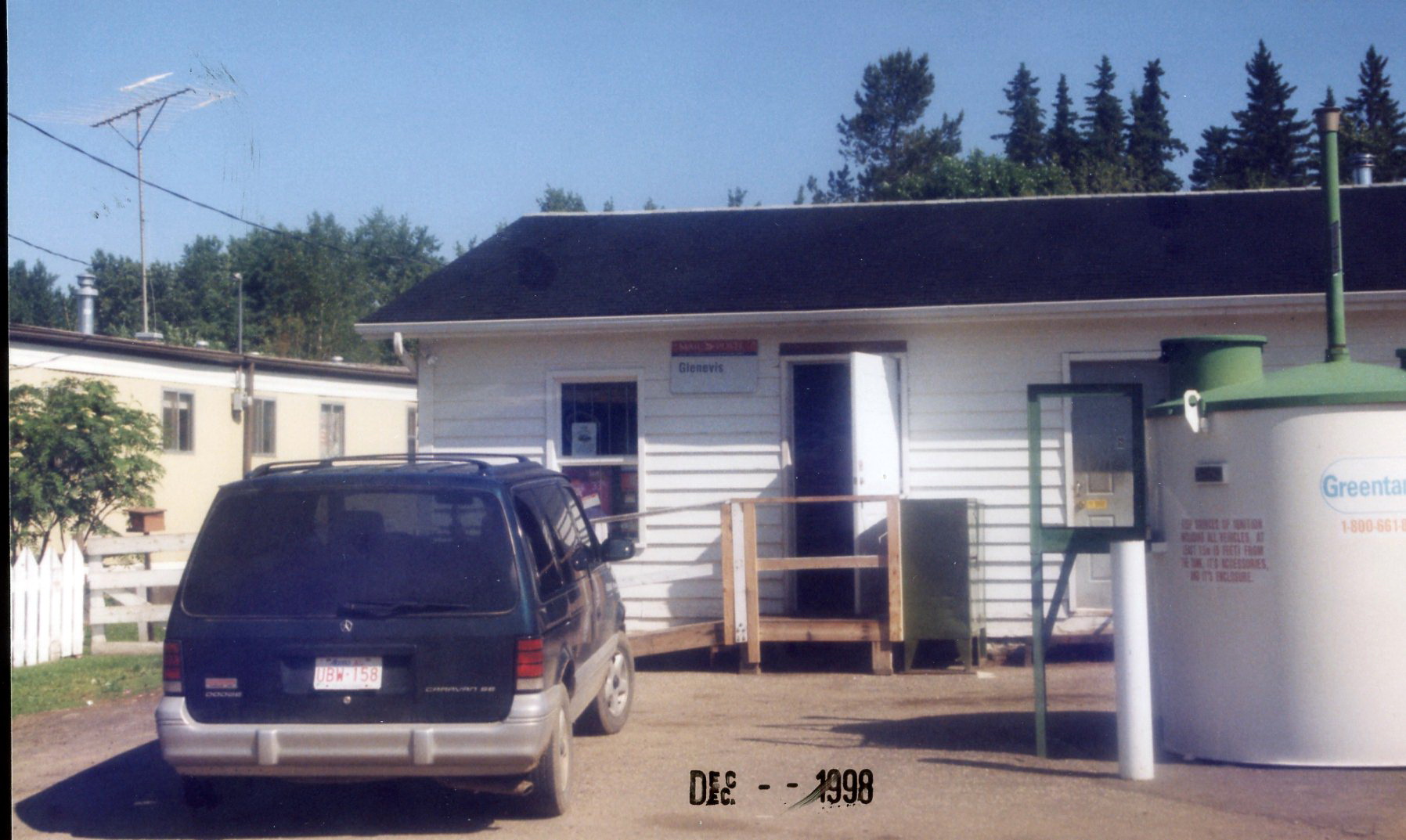
The Post office opened on March 15, 1913.
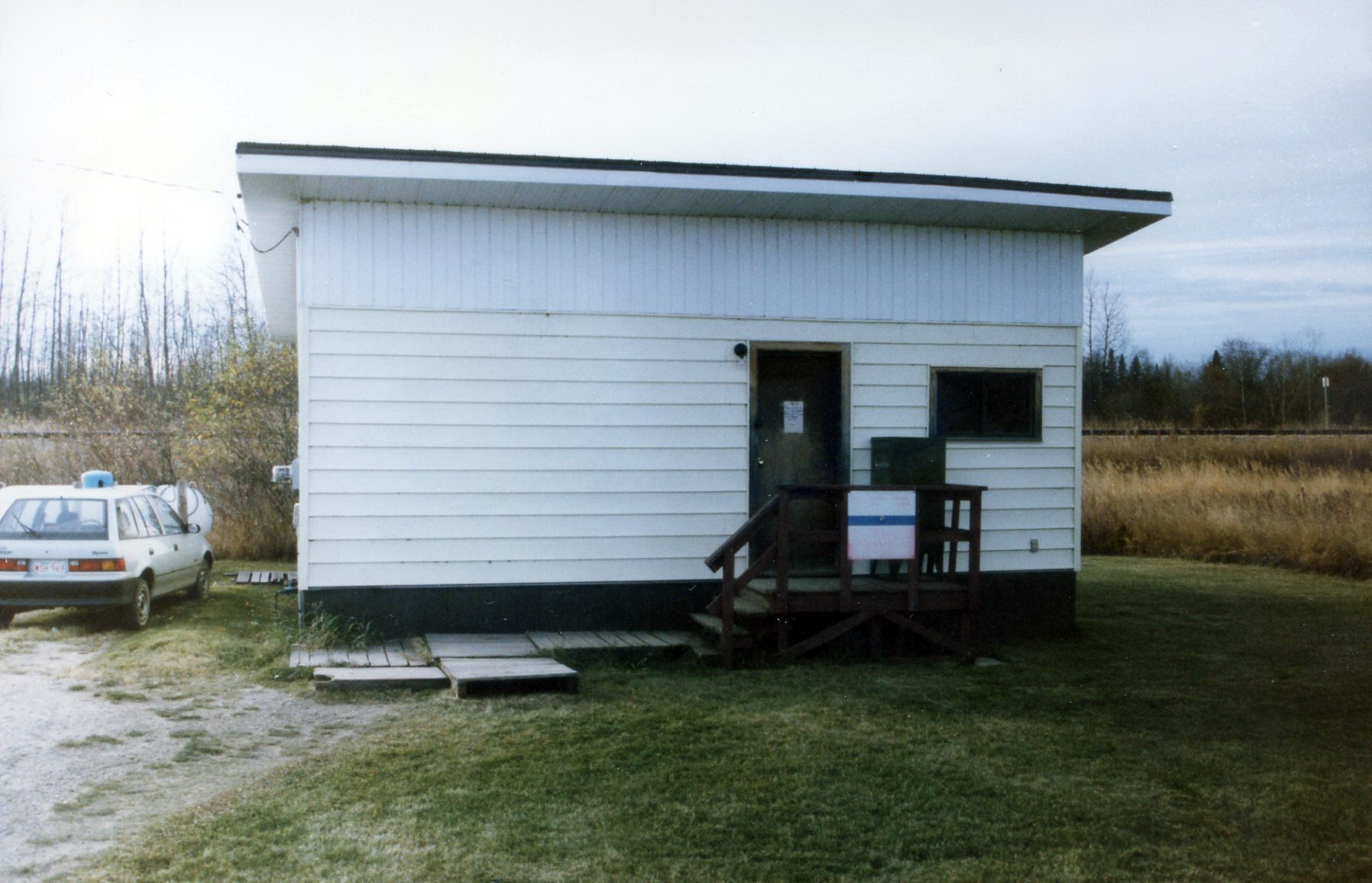
early 1990s
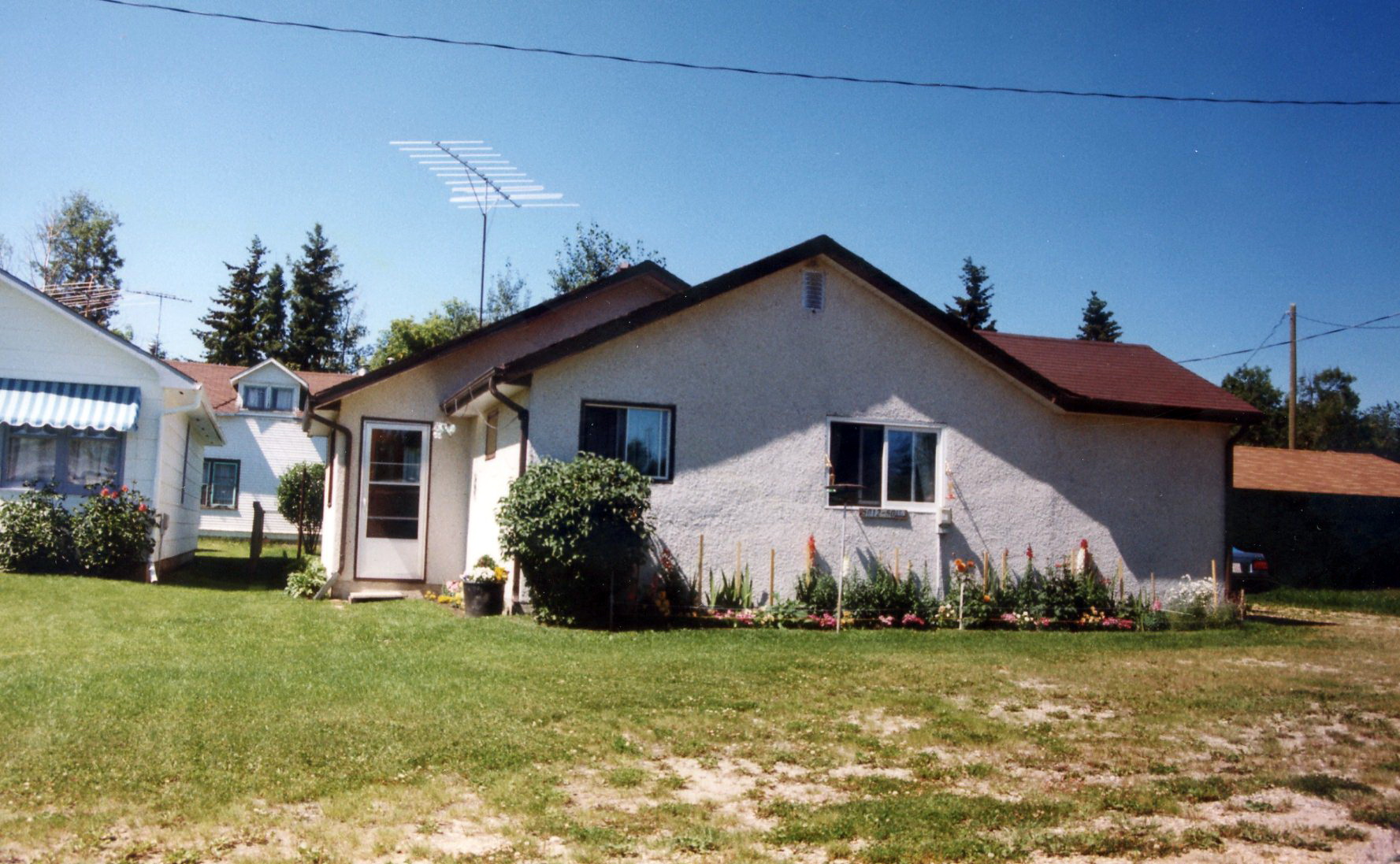
early 1990s