 G L E N W O O D V I L L E
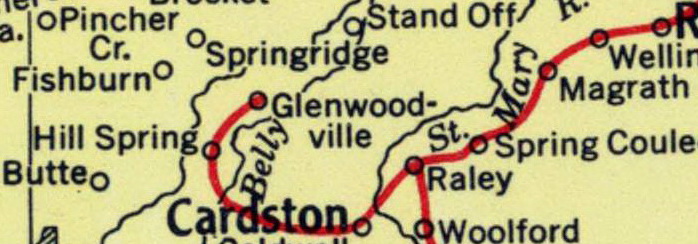
Following the expansion of LDS settlements north from Utah and Cardston, Church leader Edward J. Wood (successor to Cardston founder Charles Ora Card) acquired a large tract of the former Cochrane Ranch land in 1908 to establish a new agricultural community. Residents originally proposed naming the settlement Edwoodville in Edward J. Wood's honour. Wood declined and asked that it instead be named after his eldest son, Edward Glen Wood—resulting in Glenwoodville.
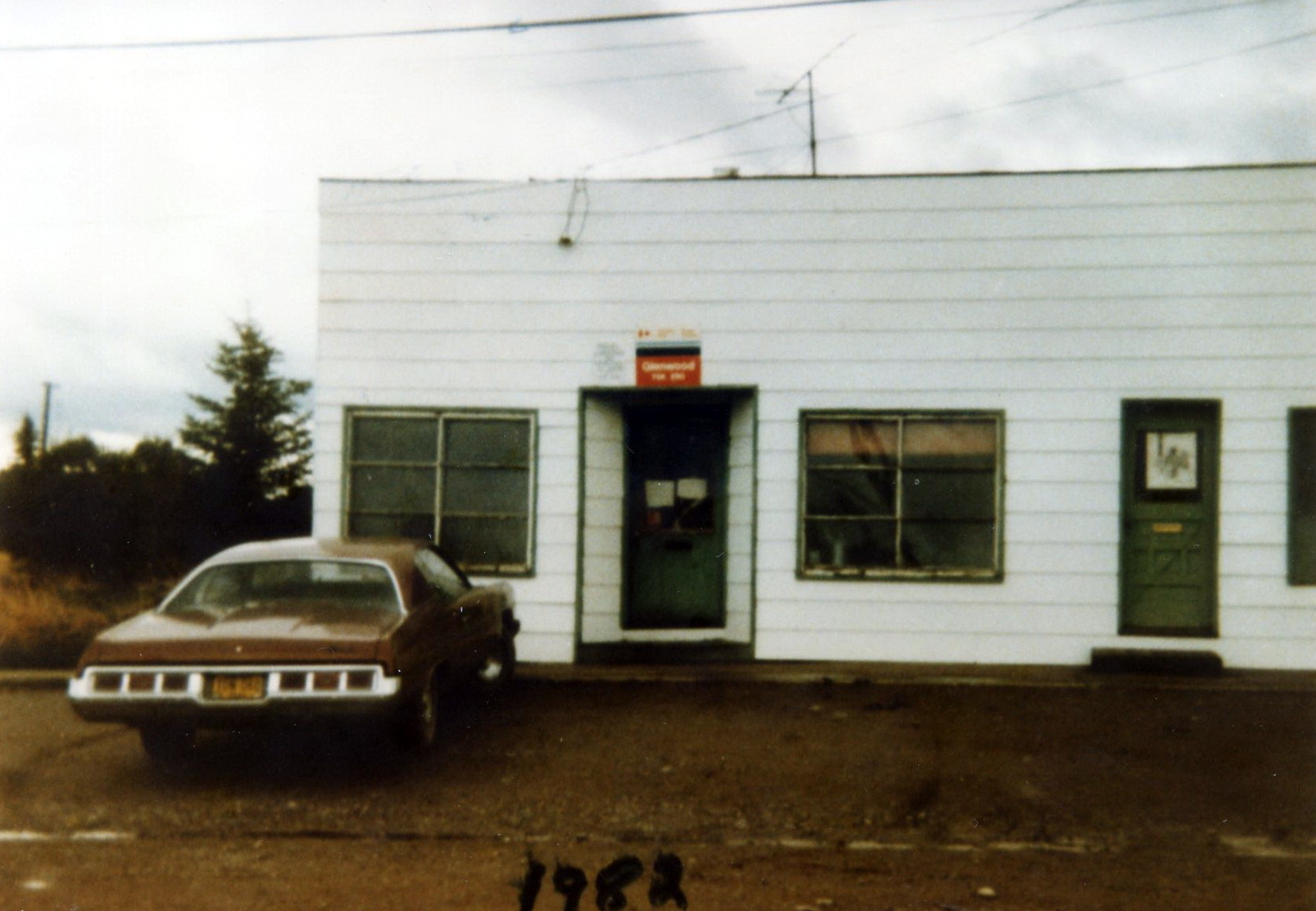
Fifty-foot business lots were surveyed along Main Street, and the Glenwoodville Post Office officially opened on February 1, 1911, inside the farmhouse of its first postmaster, James Albert Layton.
While early settlers initially relied on dryland farming and ranching, the development of the United Irrigation District (serving the Glenwood and Hill Spring area) transformed the local economy, drawing residents from nearby dryland hamlets like Leavitt and Caldwell
During the recovery from the Great Depression, local farmers needed a reliable cash market for their milk. Community members banded together to form the U.I.D. (United Irrigation District) Cooperative Cheese Factory Ltd., which opened on July 18, 1941. For decades, the factory produced award-winning cheddar and other cheeses that became synonymous with the village. Changing provincial dairy regulations and industry consolidation eventually ended cheese production in late 2005.