 J A R V I E
Settlement in the Jarvie area began in 1914 within the Jarvis district, as homesteaders were attracted to the fertile lands along the Pembina River amid broader waves of immigration and railway expansion in northern Alberta during the early 20th century. Pioneers arrived seeking opportunities in agriculture, facilitated by the construction of lines like the Edmonton, Dunvegan and British Columbia Railway, which opened up remote areas for settlement. The initial community was known as Jarvis.
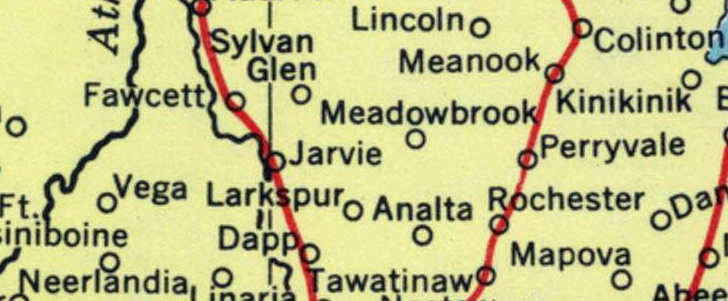
Early infrastructure was sparse, with post offices such as Meadowbrook established to the east in 1916 and Larkspur nearby, serving the scattered homesteaders before formal community structures emerged. Around 1920, the Bear Creek School District was formed, and basic facilities including a hotel, general store, and blacksmith shop were built to support the growing population. The name Jarvie was officially adopted circa 1920 to distinguish it from other similarly named places in Alberta, reflecting common post office practices of the era to avoid duplication. These developments marked the foundational phase of Jarvie as a rural hub in Westlock County, drawn by the river valley's rich soil suitable for farming. The Post office opened on February 9, 1920.
The development of Jarvie as a community in the early to mid-20th century was marked by the establishment of essential institutions that supported local education, burial practices, and daily needs, fostering a sense of rural cohesion under the oversight of Westlock County. Educational infrastructure began to take shape with the formation of the Bear Creek School District in 1921, serving the initial settlers in the area with basic instruction for children amid the growing homestead population. This was followed by the Jarvie School District No. 4015 in 1921, which provided a more centralized facility for the expanding settlement and operated continuously until its closure in 2014. These schools represented key milestones in community building, enabling families to invest in long-term residency despite the challenges of isolated prairie life.
Further institutional growth included the establishment of the Jarvie Cemetery in 1929, which provided a dedicated space for interments and was maintained through volunteer efforts and family donations, reflecting the community's commitment to honoring its deceased members. Organizational formalization accelerated during World War II with the formation of the Jarvie Community Council in 1943, which was incorporated as a society on August 21, 1946, to coordinate local activities and services under county jurisdiction. This body played a pivotal role in overseeing communal facilities, enhancing self-governance in the hamlet.
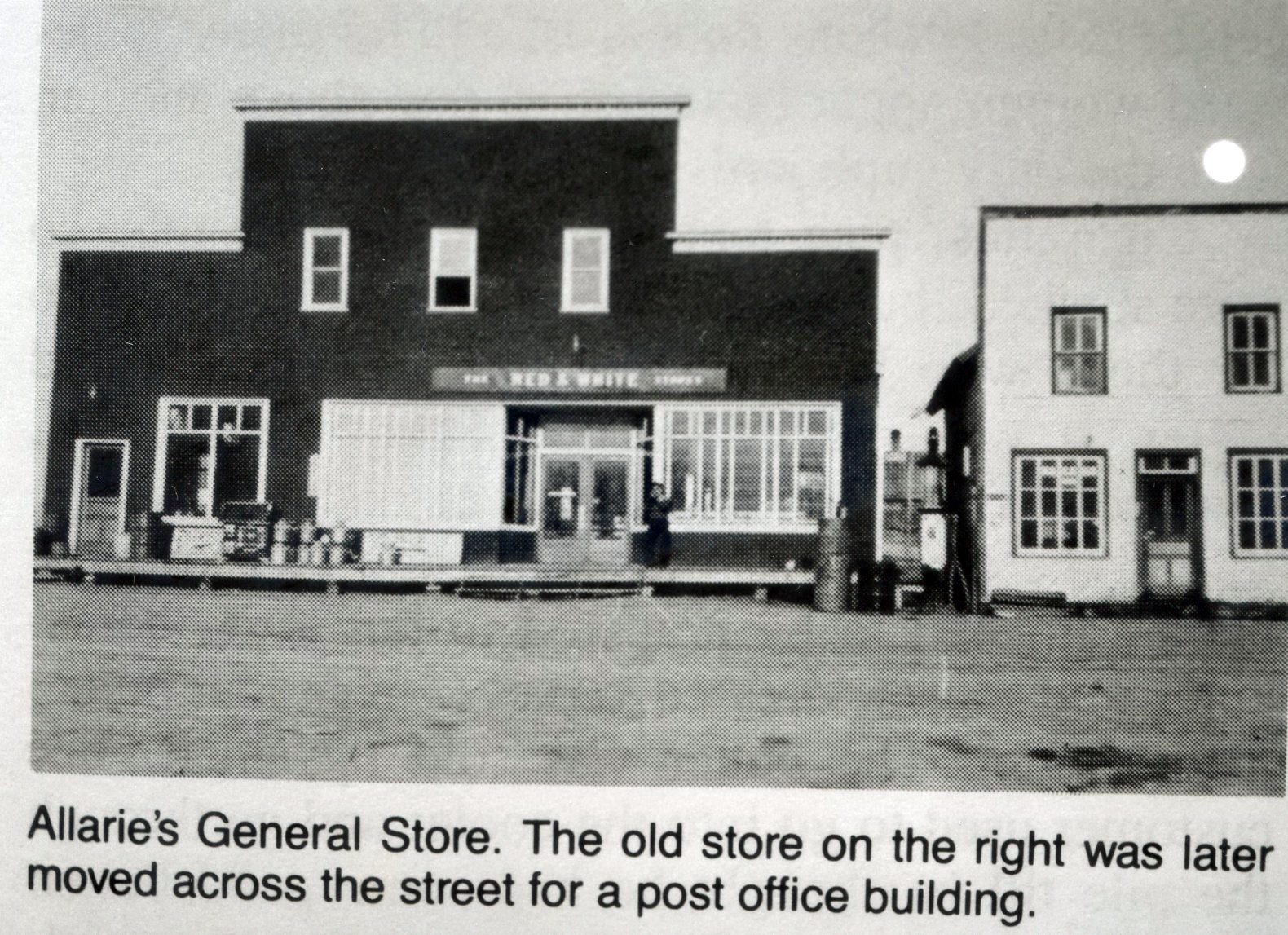
Economic and service expansions underscored Jarvie's rural self-sufficiency, exemplified by the Jarvie General Store, which operated for over 110 years and served as a vital hub for goods, social interaction, and postal services until its closure in 2020. Such developments in the 1920s through 1940s transformed Jarvie from scattered homesteads into a structured community capable of sustaining its population through education, organization, and local commerce.
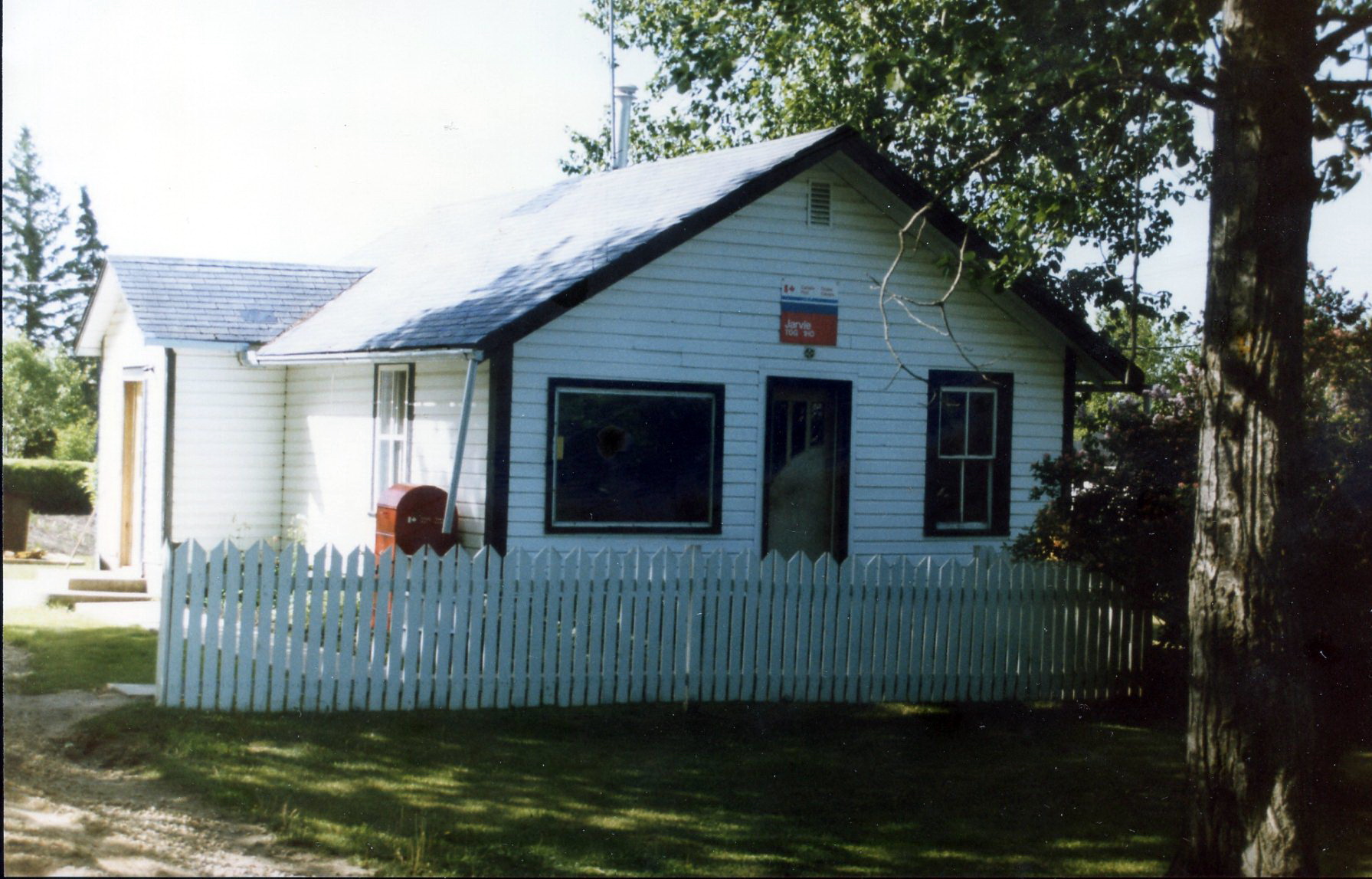
early 1990s