 M O N I T O R
The Reeds family established the first settlement in the Monitor area in 1900, marking it as the earliest pioneer outpost east of the Red Deer River in that region of Alberta.
By 1909, the establishment of post offices at Pemukan and Creek Valley facilitated communication and administration for incoming settlers, ultimately leading to the formal naming of the community as Monitor. The Post Office opened on February 1, 1911.
The fertile prairies of the area attracted a wave of homesteaders during the early 20th century, who were primarily drawn by the potential for successful wheat farming on the rich soils, contributing to the rapid development of agricultural communities in east-central Alberta.
Significant milestones in the pioneer era included the extension of telephone lines to the area in 1919, which improved connectivity for residents and businesses, and the expansion of local commerce to encompass 65 businesses by 1915, reflecting the growing economic vitality of the settlement.
Monitor was incorporated as a village in 1916, as recognized in the Prairie Provinces Census conducted that year, which listed it among Alberta's villages with a population of 200. On January 1, 1946, Monitor dissolved its village status and was integrated into Improvement District No. 331, a rural administrative unit formed to manage unorganized territories in Alberta. This change reflected broader provincial efforts to consolidate smaller municipalities amid postwar administrative reforms. Improvement District No. 331 was situated within Special Area No. 4, established in 1938 to address drought-affected regions but adapted for ongoing rural governance.
Following World War II, Monitor and surrounding areas faced significant decline driven by rural depopulation and shifts in agricultural practices, such as mechanization and consolidation of farms, which reduced the need for local labor and services. These economic pressures contributed to the loss of businesses and infrastructure, accelerating the transition away from independent municipal status.
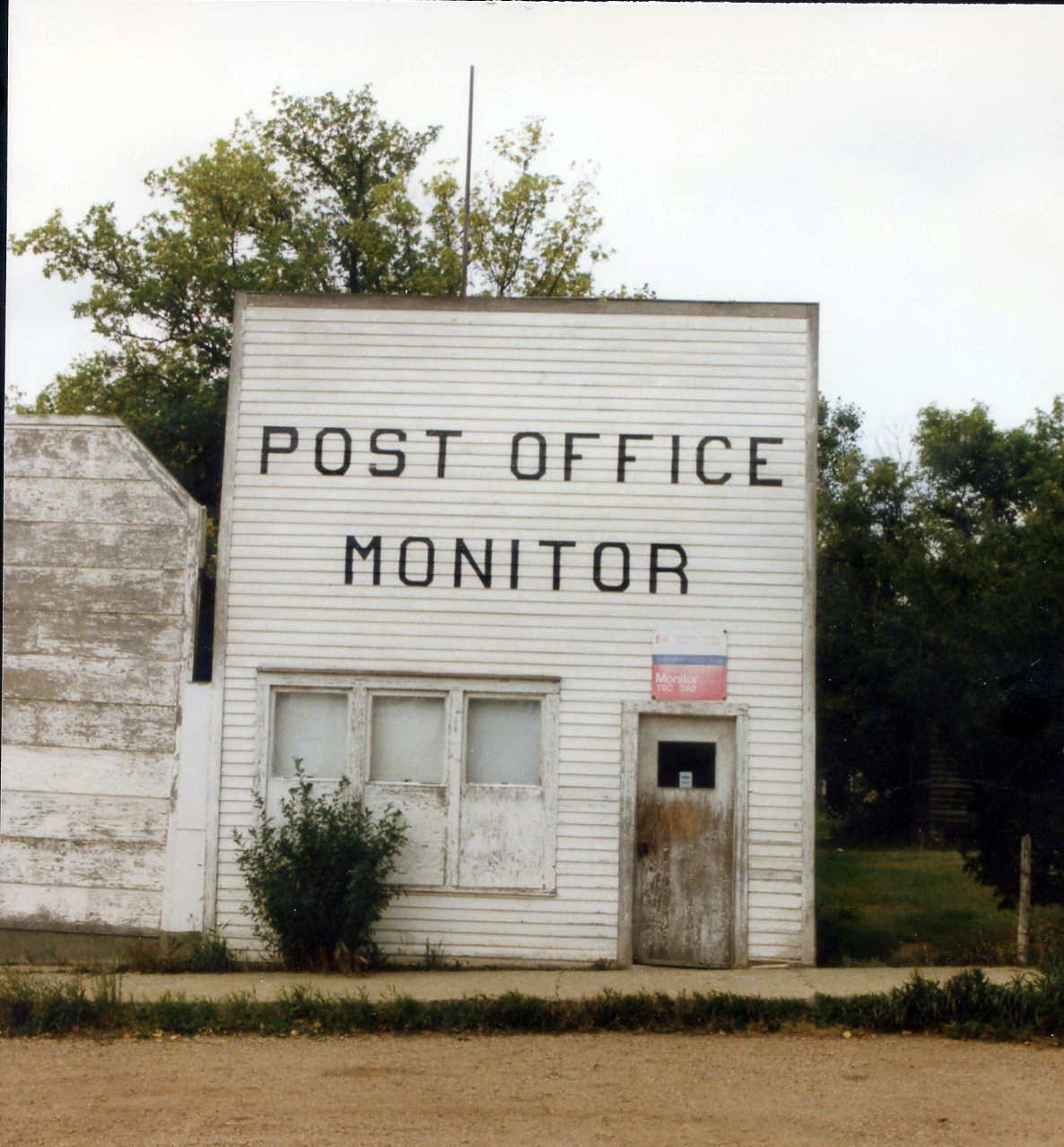
early 1990s