 M U S I D O R A
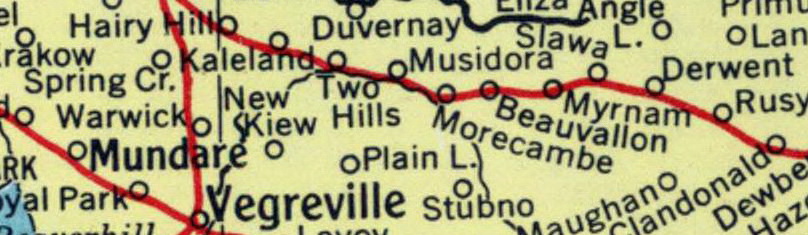
The establishment of Musidora, Alberta, traces back to May 1 1909, when a post office was opened in the area, named by Édouard Roberge, a Quebec-born farmer who served as postmaster and transported mail along routes connecting to nearby communities such as Beauvallon and Duvernay. This initial infrastructure point facilitated early communication and administrative functions for homesteaders in the region.
In 1910, the arrival of 88 Ukrainian settlers from the Brody region in Galicia marked a significant influx, with families like the core group claiming homesteads and laying the foundation for the community's development. These immigrants, predominantly of Ukrainian descent, focused on clearing land for agriculture, embodying the broader pattern of bloc settlements in east central Alberta during the early 20th century.
The opening of a Ukrainian-owned general store in 1911 represented the area's first commercial venture, providing essential goods and serving as a social hub for the growing settler population. This establishment underscored the Ukrainian pioneers' role in building basic economic structures amid the challenges of frontier life.
The construction of the Canadian Pacific Railway line through Musidora in 1927, from Bruderheim to Rusylvia, Alberta, passing through Whitford, marked a pivotal development that spurred economic activity in the area.[ This extension addressed long-standing petitions from local farmers for improved transportation since 1918, facilitating easier access to markets for grain and other agricultural products, which had previously been hindered by reliance on distant rail lines or poor roads. Built as part of a 109.4-mile segment from Bruderheim to Rusylvia, the line included Musidora as one of 20 sidings, transforming the small settlement into a modest rail hub that supported regional trade.
By January 1930, the influx of rail-related commerce had fostered industrial growth, evidenced by the opening of a garage and implement dealer alongside a blacksmith shop in Musidora. These establishments catered to the mechanical needs of local farmers, including repairs for machinery and vehicles that were increasingly common following the railway's arrival and the spread of automobiles in the late 1920s. Such businesses reflected the community's shift toward more diversified economic activities beyond subsistence farming, though Musidora remained focused on basic services without attracting larger commercial or professional enterprises.
Built on an early foundation of Ukrainian settlers from Galicia and Bukovyna who arrived in the region around 1900, Musidora's population expanded notably during the 1930s to 1950s, exceeding 100 residents at its height. This growth was sustained by agricultural stability and infrastructure improvements, with church records indicating at least 28 unique families in the surrounding area by the late 1950s, representing a peak in community cohesion.
In the 1930s, Musidora featured an active communist association, aligned with broader political organizing among Ukrainian communities in east central Alberta. Local efforts included campaign meetings for Communist Party candidates during the 1935 Alberta provincial election, such as those held by William Halina in the Vegreville and Vermilion districts encompassing Musidora, though attendance was modest and progress limited. This activity reflected regional influences from pro-communist groups like the Ukrainian Labour-Farmer Temple Association, which promoted socialist ideals amid economic hardships of the Great Depression.
Following broader trends in rural Alberta, where outmigration of younger generations to urban centers and the retirement of aging farmers contributed to depopulation starting in the mid-20th century, Musidora experienced a marked decline in population from the 1970s onward. This was exacerbated by land sales to larger operations, reducing the need for local labor and leading to the consolidation of farms.
The community's size contracted significantly, with church records reflecting this trend: membership at the Dormition of St. Mary Ukrainian Orthodox Church, a key community hub, peaked at 28 families between the mid-1950s and early 1960s before diminishing due to these demographic shifts. By the late 20th century, Musidora had become an unincorporated hamlet, lacking formal municipal status and specific census enumeration beyond 1991, indicative of its tiny scale.
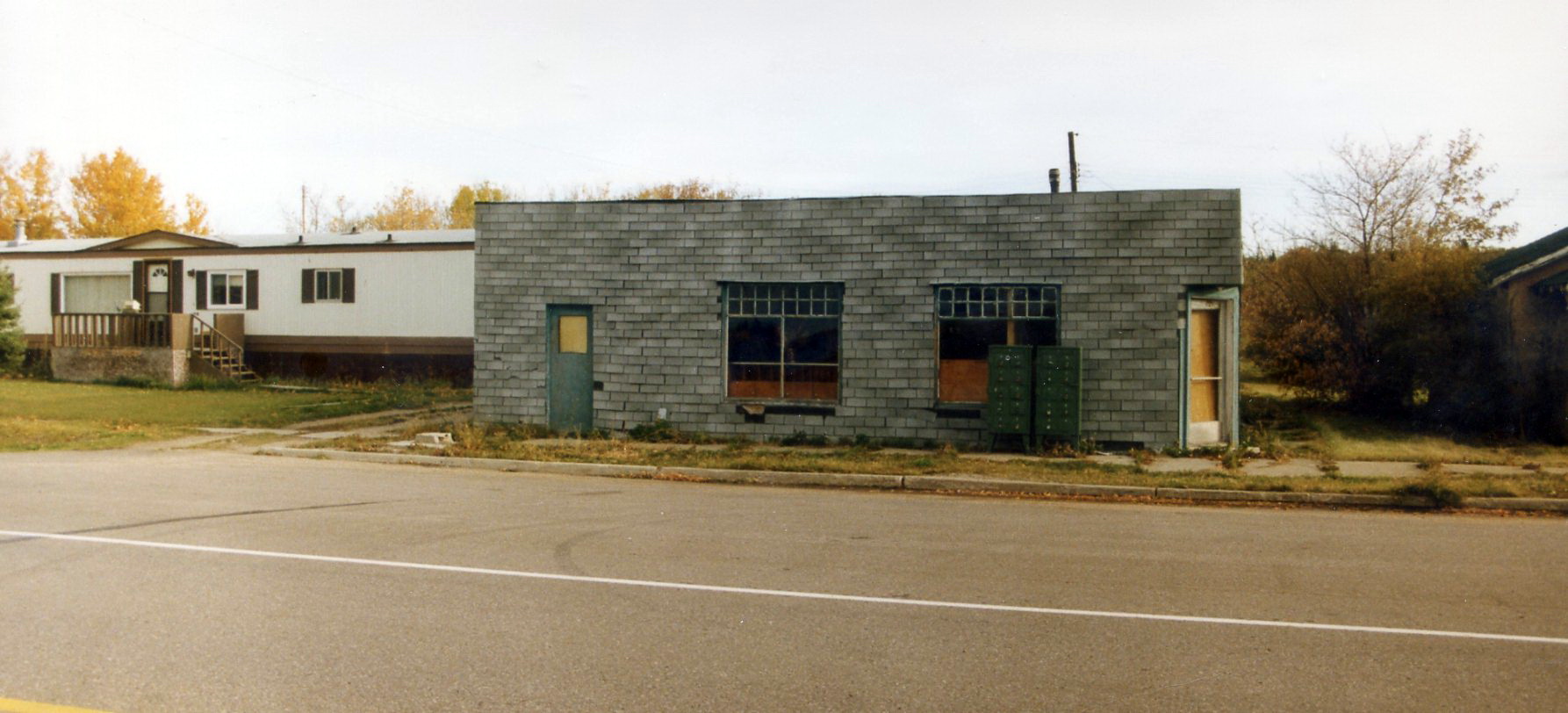
early 1990s