 R I V E R C O U R S E
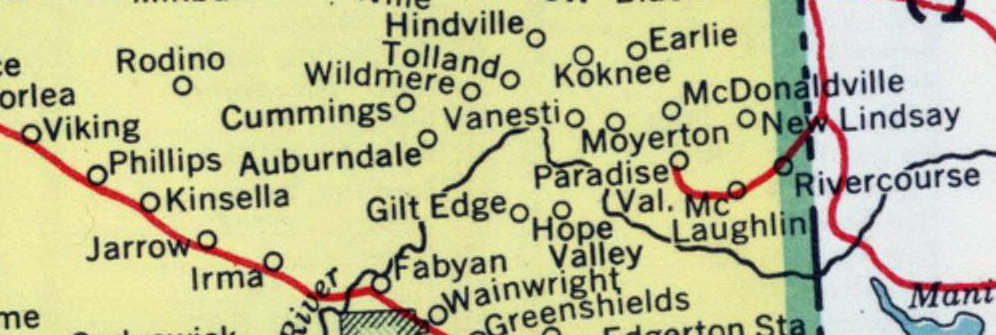
Settlement in the Vermilion River area, where Rivercourse is located, began modestly in the late 1890s with a few squatters occupying land near the river, drawn by its fertile soils suitable for agriculture. The Dominion Lands Survey of 1902 marked the start of organized homesteading, spurring an influx of settlers between 1902 and 1913 as part of the wider prairie settlement boom. This expansion was accelerated by the arrival of the Canadian Northern Railway in 1905, which connected the region to markets and facilitated the transport of immigrants and supplies to the Vermilion River valley.
Early pioneers, largely of British ethnic background from eastern Canada and the United Kingdom, focused on establishing basic farmsteads through mixed farming and ranching operations. These settlers cleared land for grain cultivation and livestock rearing, adapting to the area's rich black soil and river access for irrigation, while building rudimentary homes and communities amid the challenges of frontier life.
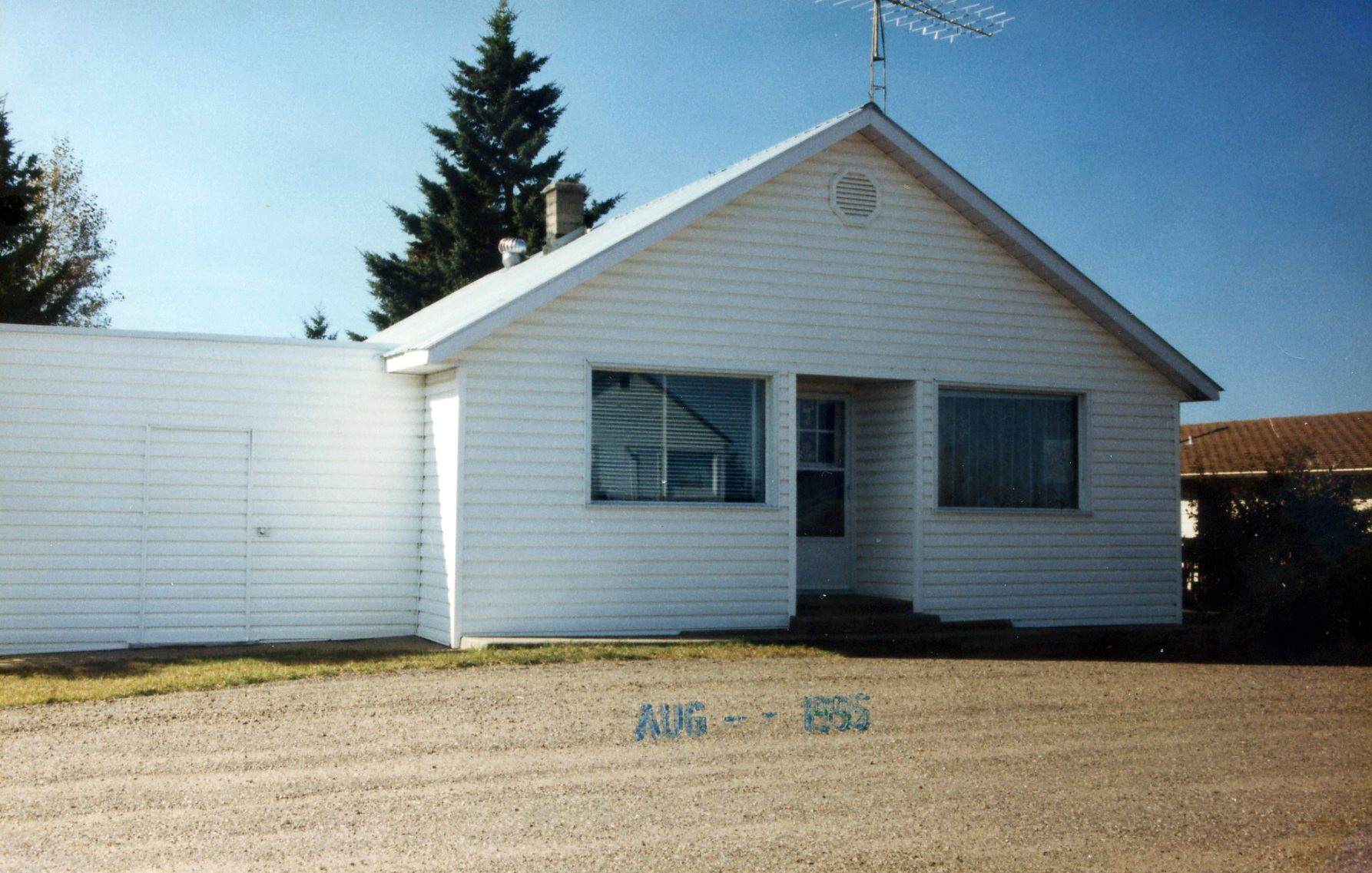
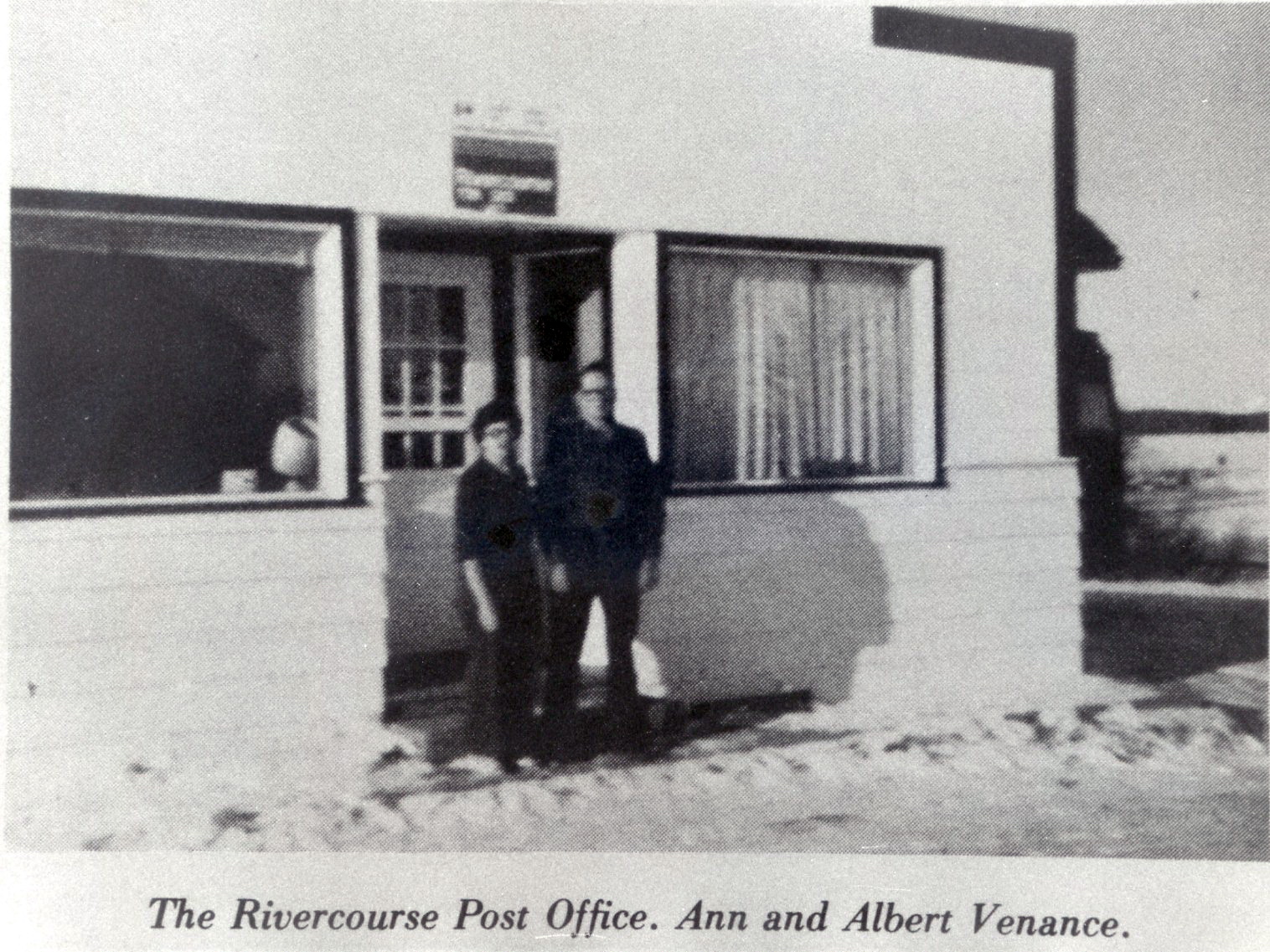
The Post Office open on June 15 1907. A pivotal event in the pioneer era was the formation of Local Improvement District No. 451 in 1913, which organized rural development efforts across a large portion of the region, including early infrastructure like roads and fire management to support growing homesteads.
Following the early waves of homesteading in the region, Rivercourse experienced structured administrative growth beginning in 1913 with the formation of Local Improvement District No. 451, which supported initial rural infrastructure and settlement expansion. Local Improvement District No. 451 evolved through various municipal entities, culminating in the incorporation of the Municipal District of Vermilion River No. 450 on January 1, 1944, which was renumbered No. 71 effective April 1, 1945; this promoted further development through organized local governance and improvements in roads and services during the 1940s and subsequent decades.
This period marked a shift from informal pioneer efforts to formalized district management, facilitating agricultural expansion in the surrounding countryside. In the mid-20th century, oil discoveries in the Vermilion area during the 1940s—such as the erection of multiple derricks near the community by August 1940—spurred regional economic activity, indirectly enhancing local farms through better infrastructure, equipment access, and markets amid Alberta's broader postwar oil boom.