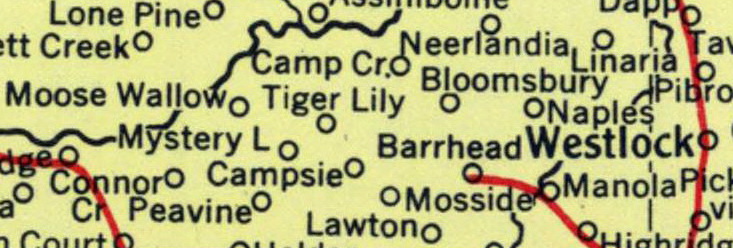
 T I G E R L I L Y
The early settlement of central Alberta, including the area around Tiger Lily, was facilitated by the Dominion Lands Act of 1872, which aimed to populate the Prairie West following Confederation in 1867 and the acquisition of Rupert's Land from the Hudson's Bay Company in 1869. Under the Act, eligible settlers could claim 160-acre homesteads for a $10 registration fee, provided they built a habitable dwelling, cultivated at least 30 acres over three years, and resided on the land for at least six months annually; successful claimants received full title after meeting these requirements. This policy spurred agricultural development in central Alberta, drawing European immigrants and others to the region starting in the late 19th century, though initial progress was slow until aggressive immigration campaigns after 1896 promoted "The Last Best West."
A notable wave of Black pioneers arrived from Oklahoma between 1908 and 1911, fleeing escalating racial persecution, Jim Crow laws, and disenfranchisement following Oklahoma's statehood in 1907. Approximately 1,000 Black settlers from the United States, many descendants of former slaves, migrated to Alberta during this period, establishing communities in areas like Amber Valley, Wildwood, Breton, and Campsie. In the Campsie area, about 5 miles southeast of Tiger Lily, initial Black families began homesteading around 1910 under the Dominion Lands Act, often traveling by ox-team or wagon from Edmonton after crossing the border at Emerson, Manitoba, amid discriminatory immigration scrutiny. For instance, the Beaver family, including James Moses Beaver, his wife Hattie Miller, and sons James Edward and Walker, arrived in Campsie in May 1912, constructing a half-dugout shelter and relying on gardening, hunting, and wild game for survival in the harsh northern climate.
These Black pioneers integrated into the broader Tiger Lily region, forming a mixed-race community that grew from about 10 Black families in Campsie to around 50 by the 1920s, alongside European homesteaders. Key institutions included the Bethel Baptist Cemetery, established around 1912–1913 west of Campsie specifically for Black settlers, which became the resting place for early community members and symbolized their Baptist faith and ethnic ties. The local Benton School District, formed in 1915, served integrated education, though designated as "Blacks only" in some records; by the mid-20th century, descendants like Debbie Beaver attended the Littleport school in Tiger Lily as the first Black students, exemplifying ongoing community blending. Initial homesteads in the area focused on mixed farming and self-sufficiency, laying the foundation for a resilient pioneer society by the 1920s. The Post Office opened on December 29 1934.
Following the discovery of oil at Leduc No. 1 in 1947, Alberta experienced a major economic boom that spurred population growth and infrastructure development across rural regions, including the County of Barrhead No. 11, where Tiger Lily is located. This post-World War II influx drew workers and families seeking opportunities in the expanding energy sector, transforming previously agrarian areas into more diversified communities while enhancing the appeal of rural living for retirement.
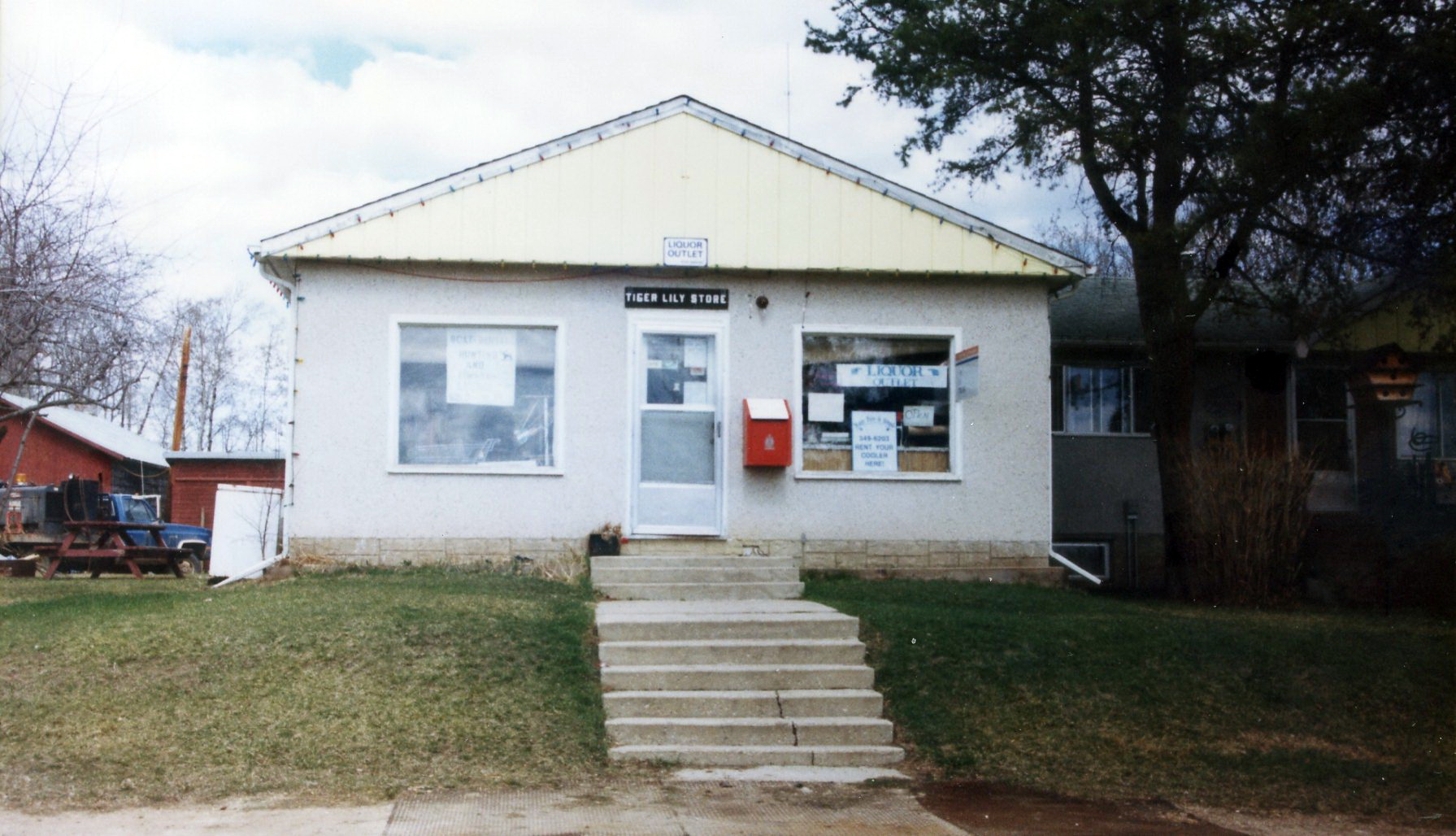
early 1990s