 W H I T F O R D
The origins of Whitford, Alberta, trace back to the late 19th-century migrations of Métis families from the Red River Settlement and Portage la Prairie in present-day Manitoba to central Alberta, driven by economic opportunities in freighting, fur trade, and land scrip amid the decline of traditional bison economies. The area around Whitford Lake became a focal point for these settlers, who established small communities focused on subsistence farming, trapping, and guiding services along emerging trails.
The community derives its name from the prominent Métis Whitford family, one of the earliest groups to arrive in the region from Red River. Charles Whitford, a key figure, migrated to Alberta in 1865 and initially settled near Beaverhill Lake, southeast of Edmonton, where he engaged in freighting and supported Methodist missions, including transporting the Manitou Stone meteorite for Rev. George McDougall in the late 1860s. His brother Donald Whitford, born in 1843 in Portage la Prairie to James Whitford and Métis woman Mary Nancy Spence, followed similar paths, working as a Hudson's Bay Company interpreter and freighter before settling in central Alberta communities like Pigeon Lake and Tail Creek by the 1870s; he and his wife Margaret "Peggy" Cayen raised a large family there, participating in Métis scrip claims in the 1880s. Another relative, Andrew Whitford (born circa 1830), exemplified the family's regional influence as a freighter and 1885 North-West Rebellion scout, receiving land grants near the future Whitford site; he later served as a community leader, supporting local charities and acting as a founding trustee for the Whitford School District established in 1895.
By the 1890s, the Whitford family formed the core of a substantial Métis population in the area, with two-thirds of residents bearing the surname and others closely related, as noted in a 1916 letter from postmaster A. Whitford describing a "quite a large half-breed population already here" around 1895. Early land use centered on haying meadows near Whitford Lake for draft animals, seasonal freighting along trails like the Carlton Trail, and small-scale agriculture, reflecting broader Métis adaptation to prairie frontiers. The formal establishment of Whitford came with the opening of its post office on July 1, 1897, which operated until June 30, 1969, and served as a hub for the scattered homesteads.
The establishment of the Whitford School District No. 393 in 1895 marked a pivotal milestone in the community's early educational framework, with Andrew Whitford serving as a founding trustee and later treasurer. This institution provided essential schooling for local children in the rural setting of east-central Alberta, fostering literacy and social cohesion among settlers.
The Whitford post office, operational from July 1897 to June 1969, served as a vital hub for mail delivery and communication in the isolated areas of Lamont County, connecting residents to broader provincial networks and facilitating administrative functions for farming families.[3] It was named after the prominent Whitford settler family, reflecting their influence in the region.[3] Whitford functions as an unincorporated hamlet within Lamont County, governed by the county council without formal municipal incorporation, which has allowed it to develop as a small rural community focused on agricultural support services.
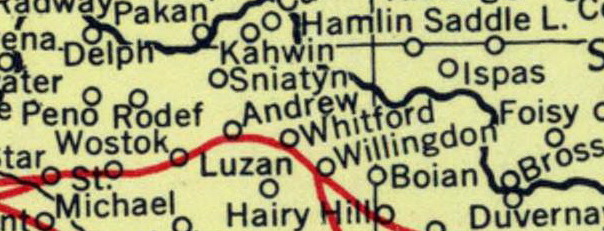
The community's growth intertwined with nearby settlements, particularly Andrew, which was named in honor of Andrew Whitford following his death in 1901 and developed from the original Whitford area. In 1928, the arrival of the Canadian Pacific Railway line prompted the surveying of the Andrew townsite on Whitford's original land holdings; the existing Andrew facilities, including the post office, store, and hotel, relocated to this new site, thereby boosting regional connectivity and economic activity through improved transportation. The name Whitford was also applied to a Canadian Pacific Railway siding and townsite in the district.
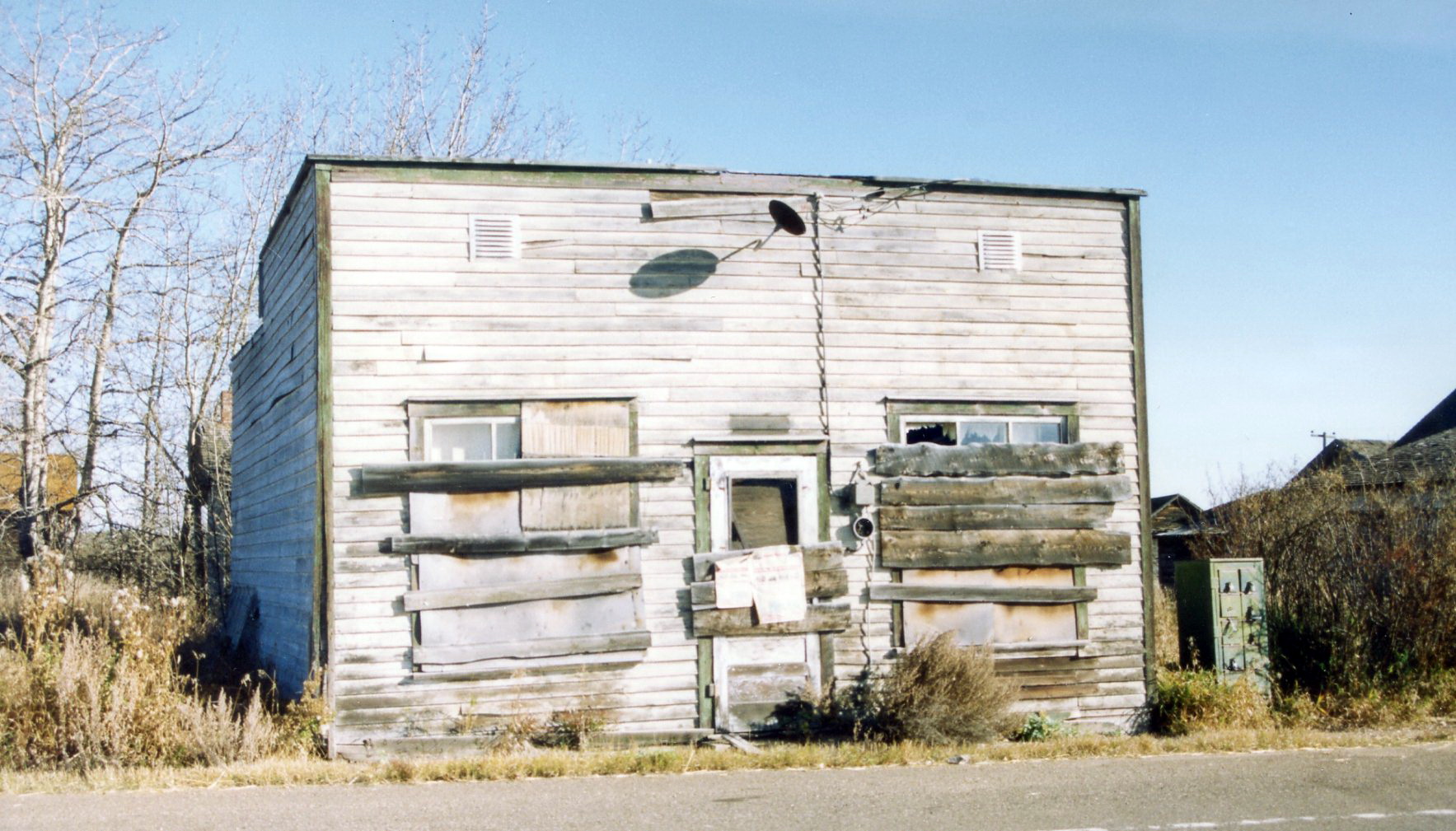
early 1990s